


If you’ve recently started hormone therapy for prostate cancer and found your erections have largely or completely stopped, you’re not imagining it, and you’re not alone in experiencing this. Androgen deprivation therapy, usually shortened to ADT, works by reducing testosterone to very low levels, and that drop affects erections quickly and almost always completely. This is done intentionally to treat prostate cancer by stopping its “fuel,” testosterone.
Typically, the healthcare professional overseeing your care will primarily be focused on dealing with cancer. While this is understandable, it can sometimes leave men receiving ADT with unanswered questions - such as whether this change is permanent, or whether there is anything that can be done during treatment to protect their chances of recovering function afterward. ADT is typically administered in the form of periodic injections. Historically, before injections became commonplace, testosterone deprivation was done by removing the testicles, but this is not as commonly done presently.
This guide answers people’s questions as honestly as the current medical evidence allows. The short version is this: for many men whose ADT is time-limited, erectile function can return after treatment ends, and the months on the treatment may be the time to act, rather than just wait, if protecting erectile function matters to you.
What Does Androgen Deprivation Therapy Do To Erectile Function?
Androgen deprivation therapy suppresses testosterone to very low levels, typically under 50 ng/dL (nanograms per deciliter), although some urologists prefer to aim for a level under 20 ng/dL. Testosterone is the primary hormone that drives sexual desire and supports normal erectile function, so, without it, most men lose libido (sex drive), have far fewer or no nighttime erections, and develop erectile dysfunction that is often near-total. Typically, this happens within the first weeks or months of starting ADT. In medical terms, testosterone is brought down to "castrate" level, which means the amount of the hormone in the blood is very low. This is exactly why the change can feel so sudden and noticeable.
Although it’s usually a less noticeable effect, ADT will typically also have a significant effect on nocturnal erections - the erections that happen naturally during sleep. Healthy men are found to have 3-5 of these each night, and they’re thought to be one of the body’s ways of keeping erectile tissue oxygenated. During ADT, these nighttime erections largely disappear. While this often doesn’t matter from a sexual point of view, it does matter when you understand what regular oxygenation does for the tissue over time, a point that we’ll touch on in more detail in our next section.
Is The Erectile Dysfunction From ADT Permanent?
Whether ED is permanent depends on whether your ADT is time-limited or indefinite. For men on time-limited ADT, testosterone usually recovers over the months following the final dose, and erectile function may return, though not always fully, and less predictably the longer the treatment has lasted and the older the patient. For men on indefinite or lifelong ADT, testosterone stays suppressed, so spontaneous erectile function generally does not return on its own.
Although it typically will come back, after time-limited ADT ends, testosterone doesn’t tend to bounce back immediately. Recovery is gradual and varies widely among men; for some, it takes months; for others, considerably longer; and a small number do not return to their prior level at all, even when testosterone replacement therapy (TRT) is used.
There are a series of factors that shape whether or not erectile function will recover as testosterone naturally increases. These factors include age, how strong your erections were before treatment, how long your course of ADT lasted, and underlying vascular and nerve health.
This is where it’s important to be honest about the situation. While the return of testosterone to more normal levels makes recovery possible, it’s not a guarantee. Exactly how well function returns, how much any recovery can be influenced, and why some men recover better than others is still something that researchers are exploring. While the science isn’t totally clear at this stage, significant focus is on the maintenance of penile tissue health throughout treatment, along with the window of opportunity in which that could occur.
Why Penile Tissue Changes During Androgen Deprivation, And Why It Matters
When testosterone is suppressed by ADT, erections stop occurring naturally. Without the regular oxygenation that erections provide, the smooth muscle of the corpora cavernosa undergoes progressive atrophy and is gradually replaced by fibrosis; collagen that cannot expand and trap blood the way healthy smooth muscle can. This structural change is what makes recovery harder the longer treatment continues.
In medical terms, what's happening here is referred to as 'disuse atrophy,' essentially 'breakdown when something isn't used'. When elastic muscle is replaced by scar tissue like this, the tissues in the penis become less able to expand and trap blood. This has a secondary 'veno-occlusive' problem too - conditions are created where blood is more likely to leak back out of the erection, making it harder to keep it firm.
The practical takeaway here is that the damage that is hardest to undo accumulates during the period of inactivity. This is the rationale behind trying to keep the tissue active and oxygenated while testosterone is low, rather than waiting until treatment ends to address regaining function. Hormonal reasons for ED can differ but the tissue consequences, and the rationale for protecting against them, are the same.
At this stage, it’s useful to look at how the most common hormonal ADT interventions work:
GnRH analogs / LHRH agonists
The most common way ADT is delivered is with GnRH (gonadotropin-releasing hormone) analogs, also called LHRH (luteinizing hormone-releasing hormone) agonists. These are injectable or implanted medications that switch off the testosterone signal from the brain.
Though the term may sound startling, within urology this is considered a type of 'chemical castration' - simply because it produces a 'castrate-level' testosterone state.
Bilateral orchiectomy / surgical castration
In rare cases, a surgeon will decide that removal of both testicles is required, either instead of, or alongside medication. This is referred to as a ‘bilateral orchiectomy,’ and research shows it’s only required in around 2.2% of prostate cancer cases.
Although the procedure is different to the hormone treatments above, the hormonal outcome is the same: a castrate-testosterone state, and the consequences for erectile tissue and function are virtually identical. As such, the rationale of tissue-preservation applies in the same way, but the main practical difference is that the procedure is permanent, so there’s no chance of testosterone naturally recovering afterward.
Can You Protect Erectile Function During ADT?
The honest answer here is 'possibly', but the case for trying is strongest when you're on time-limited ADT. The aim during treatment isn't to force normal erections (which low testosterone makes very difficult) but instead to keep the erectile tissue oxygenated and supple, so it's in better condition when testosterone returns.
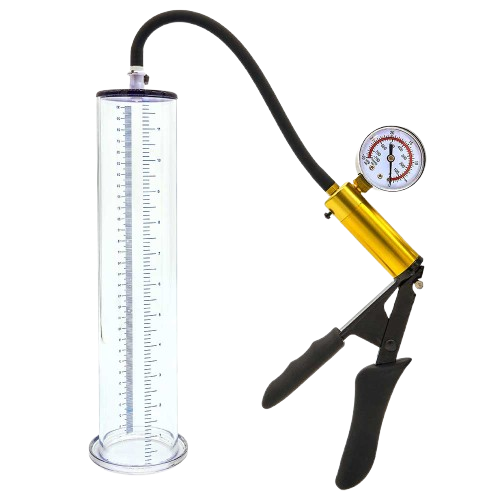
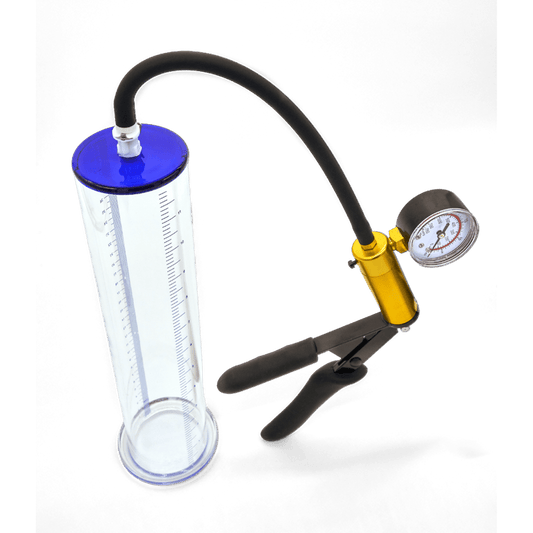
A vacuum erection device (VED) is one mechanical option that is commonly discussed for this purpose. This is because a VED draws blood into the penis without relying on hormones or nerve signaling, and without any drug interactions that could complicate the cancer treatment. This is an area where research is still being carried out to establish whether this improves long-term recovery.
The logic behind the use of VEDs is borrowed from penile rehabilitation following prostate surgery: if a loss of oxygenation is what damages the tissue, then restoring blood flow regularly may help limit that damage. Since this action is drug-free, it means medical professionals can suggest it as an option specifically during hormone therapy, where oral ED medications often work poorly, since they rely on a baseline of testosterone and intact nerve function. As a result, studies indicate the VED approach is favored by around 25% men following prostate surgery, with over 70% continuing to use their device at follow-up.
Now, it’s important to say that there are two caveats that should be mentioned here. Firstly, there’s the mechanism. The idea that keeping tissue oxygenated to limit disuse atrophy is well grounded, but the long-term functional question (does using a VED using ADT mean better erections years later?) does not have the weight of research behind it to provide a settled answer. Secondly, the rationale for using a VED might seem strongest for men on time-limited ADT, where there is a potential future recovery to protect. For men on indefinite or lifelong ADT, the idea of aiming for long-term recovery might not apply in the same way - although it can be argued that a person’s comfort, confidence, and intimacy goals still make a device worth discussing.
What Are The Treatment Options During ADT?
Four approaches are used during ADT: PDE5 inhibitor tablets, a vacuum erection device, intracavernosal injections, and lifestyle and vascular care. Because ADT removes the testosterone that tablets depend on, the mechanical and injectable options are the ones that still work reliably during treatment, while lifestyle measures sit underneath all of them. Which combination suits you depends on whether your ADT is time-limited and on your wider health. Each works in a very different way while testosterone is low, and knowing that difference makes the discussion with your care team far more productive.
-
Oral ED medications (PDE5 inhibitors)
Drugs like sildenafil (Viagra) and tadalafil (Cialis) amplify a signal that depends on both testosterone and intact nerve pathways. ADT suppresses the hormonal side of that equation, so these medications tend to work poorly during active treatment and are not usually a first choice at castrate-level testosterone. They may become useful again if testosterone recovers after time-limited ADT ends.
-
Vacuum erection device (VED)
A VED works mechanically, drawing blood into the penis without needing testosterone, nerve signaling, or medication, so it can still produce an erection while ADT is active. It is also the option most often discussed for tissue preservation, for the reasons covered above, although the long-term recovery evidence is still accumulating. It tends to be considered for men on time-limited ADT who want to protect a future recovery, and for men on indefinite ADT whose goals are comfort and intimacy now.
-
Intracavernosal injection (ICI)
This involves injecting a vasoactive medication directly into the erectile tissue, bypassing the hormonal and nerve pathways entirely. It has the strongest evidence for producing an erection when other options do not work, and is generally treated as second-line; something to raise if a VED is not sufficient or not preferred.
-
Lifestyle and vascular health
Exercise, sleep, and cardiovascular care do not produce erections directly, but they preserve the blood-vessel function that erections depend on. The evidence for vascular benefit is strong; the benefit to erectile recovery is indirect, but it is a foundation for all men on ADT alongside whichever other approach you and your team choose.
-
Penile Prothesis
These are typically implanted after a man completes his radiation therapy and ADT. A prosthesis can work independently of hormonal function because they are surgically implanted and operated mechanically by the user.
How To Decide, And What To Ask Your Care Team
Start with one question: is your ADT time-limited or indefinite? That answer sets the goal. If your treatment has a defined end date, the decision is about protecting a future recovery, and the case for acting during treatment rather than waiting is at its strongest. If it is indefinite, the goal shifts toward comfort, intimacy, and quality of life now — a different decision, not a lesser one.
Lots of people find that starting with the time-limited-versus-indefinite question is useful, because it changes the goal. If your treatment has a defined end, the conversation is about protecting a future recovery. If it is indefinite, the focus shifts toward comfort, intimacy, and quality of life now.
Your other health conditions matter too. Cardiovascular disease shares many of the same blood-vessel mechanisms as erectile dysfunction, so heart and circulatory health strongly influence what recovery is realistic. Certain medications can also contribute, especially since there are many common drugs that affect erections, including opioid pain medicines that are often used during cancer treatment.
Of course, ADT isn’t the only reason for low testosterone either, so if you or your doctors think other factors are influencing testosterone levels (such as hypogonadism), then this should be discussed too.
Some people find it helpful to bring specific questions to any appointment you have where you discuss your treatment. A useful starting list could be:
- Is my ADT time-limited or indefinite, and when is it expected to end?
- How low is my testosterone likely to go, and when might it recover after treatment?
- Is there anything I can do during treatment to protect my chances of erectile recovery?
- Would a vacuum erection device be reasonable in my case, and how would I use it safely?
- How do my heart health and other medications affect what recovery is realistic for me?
- Who on the team should I talk to about sexual function? You, a urologist, or someone else?
Frequently Asked Questions About ADT And Sexual Function
-
Will I be able to have sex again after my hormone therapy ends?
For many men on time-limited ADT, sexual function improves as testosterone recovers in the months after treatment ends, though recovery varies and is not always complete. Discussing tissue protection with your care team during treatment may improve the odds. Intimacy can also take forms beyond erections.
-
Does ADT cause permanent erectile dysfunction?
Not necessarily. On indefinite or lifelong ADT, low testosterone means erectile function generally does not return on its own. On time-limited ADT, function can recover as testosterone returns, though some men do not regain their prior level. The longer the deprivation, the harder recovery tends to be.
-
Can a vacuum pump help while I’m on hormone therapy?
A vacuum erection device works mechanically, drawing blood into the penis without relying on testosterone or nerves, so it can produce an erection even when ADT has suppressed hormones. It is also discussed as a way to keep tissue oxygenated during treatment, though long-term recovery benefits remain under study. Use it under medical guidance.
-
Is it different after surgical removal of the testicles versus injections?
The hormonal result is the same: both produce castrate-level testosterone and the same effects on erectile tissue. The key difference is that surgical removal is permanent, so testosterone does not recover afterward, while injectable ADT is often time-limited and may allow recovery once it stops.
-
How can my partner and I stay connected during ADT?
ADT affects desire and erections, but intimacy is broader than intercourse. Many couples maintain closeness through touch, communication, and a shared focus on the cancer journey rather than on performance. Being open with your partner about what is changing, and bringing them into conversations with your care team, often eases the strain on both of you.
-
Endurance Pro Pump
Learn MoreRegular price $75.99 - $106.99Unit price per -
ED Support Kit
Learn More$43.99 Regular price -
The Overdrive Smart Pump
Learn More$79.99 Regular price


The Bottom Line
Hopefully, this guide gives you deeper information on the impact of ADT on erectile function. Our information isn’t intended to replace any information you get from the specialist overseeing your care, but instead to help you ask the right questions.
If there’s one important thing to take from this guide, it’s asking questions about erectile recovery during ADT, rather than waiting until afterward. Low testosterone brings erections to a near halt, and the tissue changes that can occur seem to be the hardest to reverse. As such, protecting tissue now is really about protecting the chance of recovery or assisted function down the line, but, it’s important to understand that this is a possibility, not a guarantee.
The single most useful step is to raise this with your oncologist or urologist, especially if your ADT has a defined end date. Ask about what your recovery outlook is, and whether a tissue-preservation approach might make sense for you. Bringing the question forward is something you can do, even when much of the treatment feels like it’s out of your hands.
References
Royal Australian College of General Practitioners. "Androgen deprivation therapy: Managing side effects." RACGP, 2008. https://www.racgp.org.au/getattachment/36d37f79-4b92-4458-989c-f419c5c775f3/attachment.aspx.
Mazzola CR, Mulhall JP. "Impact of androgen deprivation therapy on sexual function." Asian Journal of Andrology, 2012. https://pmc.ncbi.nlm.nih.gov/articles/PMC3735098/. DOI: 10.1038/aja.2011.106.
Odundo Allan Yienya. "The Prevalence and Associated Factors of Sexual Dysfunction Among Prostate Cancer Patients on Androgen Deprivation Therapy in Kenyatta National Hospital." University of Nairobi Digital Repository, 2017. https://erepository.uonbi.ac.ke/server/api/core/bitstreams/c5875126-89b6-4633-b58d-f667eb71637e/content.
Healthy Male. "The Influence of testosterone suppression and recovery on sexual function in men with prostate cancer: Observations from a prospective study in men undergoing intermittent androgen suppression." Healthy Male. https://healthymale.org.au/research-reviews/influence-testosterone-suppression-and-recovery-sexual-function-men-prostate.
Nascimento B, Miranda EP, Jenkins LC, Benfante N, Schofield EA, Mulhall JP. "Testosterone Recovery Profiles After Cessation of Androgen Deprivation Therapy for Prostate Cancer." Journal of Sexual Medicine, 2019. https://pmc.ncbi.nlm.nih.gov/articles/PMC7546513/. DOI: 10.1016/j.jsxm.2019.03.273.
Creidy L, Taussky D, Pouliot F, Saad F, Falkenbach F. "Sexual activity in men undergoing ADT for localized prostate cancer: a narrative literature review." Asian Journal of Andrology, 2025. https://pmc.ncbi.nlm.nih.gov/articles/PMC12422569/. DOI: 10.4103/aja20253.
Zou ZJ, Chen ST, Ma GC, Lai YF, Yang XJ, Feng JR, Zang ZJ, Qi T, Wang B, Ye L, Zhang Y. "Consecutive nightly measurements are needed for accurate evaluation of nocturnal erectile capacity when the first-night laboratory recording is abnormal." Asian Journal of Andrology, 2020. https://pmc.ncbi.nlm.nih.gov/articles/PMC6958982/. DOI: 10.4103/aja.aja_40_19.
Morote J, Aguilar A, Planas J, Trilla E. "Definition of Castrate Resistant Prostate Cancer: New Insights." Biomedicines, 2022. https://www.mdpi.com/2227-9059/10/3/689. DOI: 10.3390/biomedicines10030689.
Saylor PJ, Smith MR, O'Malley AJ, Keating NL. "Androgen-deprivation Therapy and Risk for Biliary Disease in Men with Prostate Cancer." European Urology, 2014. https://pmc.ncbi.nlm.nih.gov/articles/PMC4535925/. DOI: 10.1016/j.eururo.2013.02.003.
Aoun F, Peltier A, van Velthoven R. "Penile Rehabilitation Strategies Among Prostate Cancer Survivors." Reviews in Urology, 2015. https://read.nxtbook.com/medreviews/urology/volume17no2/treatmentupdate_penile.html
F De Leonardis, et al. "Endothelial Dysfunction, Erectile Deficit and Cardiovascular Disease: An Overview of the Pathogenetic Links." Biomedicines, 2022. https://pmc.ncbi.nlm.nih.gov/articles/PMC9405076/
Bodine SC. "Disuse-induced muscle wasting." International Journal of Biochemistry & Cell Biology, 2013. https://pmc.ncbi.nlm.nih.gov/articles/PMC3856924/. DOI: 10.1016/j.biocel.2013.06.011.
Ferrini MG, Kovanecz I, Sanchez S, Umeh C, Rajfer J, Gonzalez-Cadavid NF. "Fibrosis and Loss of Smooth Muscle in the Corpora Cavernosa Precede Corporal Veno-Occlusive Dysfunction (CVOD) Induced by Experimental Cavernosal Nerve Damage in the Rat." Journal of Sexual Medicine, 2009. https://www.sciencedirect.com/science/article/abs/pii/S1743609515323845.
Engel JB, Schally AV. "Drug Insight: clinical use of agonists and antagonists of luteinizing-hormone-releasing hormone." Nature Clinical Practice Endocrinology & Metabolism, 2007. https://www.nature.com/articles/ncpendmet0399. DOI: 10.1038/ncpendmet0399.
Dhaliwal A, Gupta M. "PDE5 Inhibitors." StatPearls, NCBI Bookshelf. https://www.ncbi.nlm.nih.gov/books/NBK549843/.
Nicolai M, Urkmez A, Sarikaya S, Fode M, Falcone M, Albersen M, Gul M, Hatzichristodoulou G, Capogrosso P, Russo GI. "Penile Rehabilitation and Treatment Options for Erectile Dysfunction Following Radical Prostatectomy and Radiotherapy: A Systematic Review." Frontiers in Surgery, 2021. https://www.frontiersin.org/journals/surgery/articles/10.3389/fsurg.2021.636974/full. DOI: 10.3389/fsurg.2021.636974.
Wassersug RJ. "Maintaining intimacy for prostate cancer patients on androgen deprivation therapy." Current Opinion in Supportive and Palliative Care, 2016. https://pubmed.ncbi.nlm.nih.gov/26761788/. DOI: 10.1097/SPC.0000000000000190.
