


Erectile dysfunction is one of the most common medical conditions in adult men, but it’s also one of the most misunderstood, largely because it is not a single problem. The phrase covers several distinct conditions that share one presenting symptom: the inability to get or keep an erection that’s firm enough for satisfying sex.
In reality, men whose erections have changed after prostate surgery, men with type 2 diabetes, men on antidepressants, or men whose difficulties have only just started with a new partner are all experiencing different causes, but are all described as having “erectile dysfunction”. Since the causes are different, so too is the prognosis and the right treatment.
This guide is here to help you find your own situation within the broad definition of erectile dysfunction (ED). We’ll explain exactly what the condition is, the main biological mechanisms behind ED and the psychological factors that frequently accompany them, how the cause is diagnosed, the full range of treatments, and the questions most people are asking if they’re facing ED.
Where your situation needs more depth than this overview can give, we’ll point you toward dedicated resources that will explain in more detail what you’re facing. When you’ve finished reading, you’ll be able to explore the specifics of your condition in more detail, and have better-informed conversations with any healthcare provider involved in your treatment.
What is Erectile Dysfunction?
Erectile dysfunction is medically described as the persistent inability to achieve or maintain an erection that’s sufficient for satisfactory sexual performance. It’s important to understand that doctors distinguish ED from an occasional difficulty (which almost all men experience at some stage) by consistency over time, with most urological guidance using a threshold of three months. The DSM-5-TR (a psychiatric rather than urological reference) sets its criterion for erectile disorder at approximately six months.
The severity of ED is commonly graded with a questionnaire called the International Index of Erectile Function, known as IIEF-5 for short. In this questionnaire, a higher score indicates better erectile function.
The IIEF-5 maps out a man’s recent experiences onto a severity band - making it useful for both diagnosis and for tracking changes to function over time.

We’ll talk about these different levels of diagnosis throughout this guide because different causes of ED tend to result in different severity ranges. This is useful to know because this is often how healthcare providers narrow down exactly what is driving your individual case.
While common, it’s important to understand that ED is a symptom, not a diagnosis in itself - which is why the rest of this guide is organized around the different causes of ED, rather than the symptom.
To understand more about ED and why erections don’t always work as hoped, it’s useful to understand the internal process that leads to an erection. We’ve covered this in depth in our dedicated guide to how erections work at a physiological level- but we’ll touch on it more briefly here too.
How Common is Erectile Dysfunction, and Who Gets It?
Erectile dysfunction is one of the most common medical conditions affecting men, with research suggesting an estimated 30-50 million men currently experiencing it. The single biggest driver behind ED is age: prevalence rises significantly over the decades, affecting 40% of men as they hit their forties, and rising to 70% by the time men hit their 70s and beyond.

What changes in erectile function as men move into their 60s and beyond, and what's driven by age itself versus the chronic conditions that often arrive with it, is covered in our dedicated guide to age-related ED.
While age is a clear non-modifiable risk factor, it’s not the only one, and many of the others are within a man’s control. Some of the medical conditions most strongly linked to ED are diabetes, cardiovascular disease, and high blood pressure (hypertension), while lifestyle factors like smoking, obesity, physical inactivity, and excessive alcohol consumption each raise the risk too. This is why doctors sometimes describe ED as a marker of overall health, rather than purely a sexual problem.
The factors explained here rarely act in isolation; instead, they tend to cluster together. This is why a man often has more than one factor contributing to his ED at any one time. The overlap between heart and metabolic health is one of the most significant, because the arteries in the penis and pelvis are smaller than those serving the heart, so they often show the effects of vascular damage first. This is why ED is considered by many doctors to be an early warning sign of cardiovascular disease, sometimes appearing years before heart problems.
The encouraging side of this picture of ED is that many of the risk factors can be changed. The same changes that protect a man’s heart - regular exercise, a better diet, stopping smoking, and working toward a healthy weight - are also the changes that can better support healthy erectile function. This is why lifestyle is such an important part of understanding and managing ED.

How Does An Erection Actually Work?
An erection is best referred to as a ‘neurovascular event’: it depends on intact nerves signaling, healthy arteries delivering blood, and the spongy erectile tissue of the penis trapping that blood under pressure.
When a man becomes aroused, nerve signals trigger the release of nitric oxide in the erectile tissue, which sets off a chemical cascade through the body. A particular messenger molecule called cyclic guanosine monophosphate (cGMP for short). The cGMP relaxes the smooth muscle inside two cylinders in the penis called the corpora cavernosa. As that muscle relaxes, blood flows in, and the tissue expands.
As this tissue expands, it compresses the veins that would normally allow blood to drain back out of the penis, trapping it inside and making the erection rigid. This process is called the veno-occlusive mechanism, and it explains why an erection needs several systems to work together. The nerves to start the signal, the arteries to supply the inflow of blood, and the structure of the penis to trap the blood.
If any of those systems don’t occur as they should, it can result in ED - and this chain of events and possible issues is exactly why ED has more than one cause.
In the next section, we’ll look at the five distinct steps in the mechanism of getting an erection, including the ones we’ve talked about here and the role of an enzyme called PDE5. The full mechanism, including the five distinct steps and the role of PDE5, is laid out in our complete guide to understanding ED.

What Causes Erectile Dysfunction?
In medical terms, erectile dysfunction has four recognized biological routes to the same symptom, vascular, neurogenic, hormonal, and structural, together with psychogenic factors that act as a major modifier across all of them.
Most sexual medicine specialists organize ED around these categories because each one points toward a different point of failure in the mechanism, and therefore, to a different type of treatment. In many cases, men will have more than one cause at once, referred to as “mixed-etiology ED”. This is especially common in men as they age and their health means they accumulate more than one risk factor.
The sections below take a look at each of these categories, as well as suggesting some further reading if you’d like more in-depth information.
1. Vascular Causes
Vascular erectile dysfunction is the most common cause of ED overall, and it occurs either when the arteries cannot deliver enough blood into erectile tissue, or when the veins cannot trap it when it arrives.
Because blood flow is essential for an erection, anything that damages blood vessels can impair the process. The same conditions that narrow the arteries around the heart, such as atherosclerosis, high blood pressure, and high cholesterol, can also affect the smaller arteries in the penis.
Some common medical issues that contribute to vascular ED include coronary artery disease, hypertension, and an issue called venous leak (or veno-occlusive dysfunction), where the mechanism that traps blood in the penis fails and blood drains away too quickly. Although it may also impact nerve function, diabetes can also have an impact on blood vessels, resulting in ED.
The cardiovascular conditions that drive vascular ED, including diabetes, high blood pressure, and coronary artery disease, are covered in our guides to diabetes and ED and cardiovascular disease and ED. Where the problem is venous leak specifically, our guide to what to do when pills stop working explains why outflow failure needs a different approach.
2. Neurogenic Causes
Neurogenic erectile dysfunction occurs when the nerve signals needed to initiate an erection are interrupted, regardless of how healthy the blood vessels and erectile tissue are. Since natural erections always begin with a nerve signal, damage anywhere along the pathway (from the spinal cord right through to the nerves in the penis) can prevent an erection from starting.
Medical conditions in this category can include spinal cord injuries (where almost 80% of people experience ED), multiple sclerosis (with ED rates around 50%), Parkinson’s disease, stroke, nerve damage during prior pelvic surgery, and pelvic nerve injury resulting from trauma.
A unique feature of neurogenic ED is that any treatments that depend on the body’s own nerve signaling (including oral PDE5 inhibitors, like Viagra) are often less effective, because the signal they rely on is impaired. You can read more about the neurological causes of ED in our dedicated guide, including the specific conditions, such as spinal cord injury, MS, and Parkinson's, that can disrupt the nerve signal.
3. Hormonal and Pharmacological Causes
Hormonal or pharmacological erectile dysfunction occurs when the body’s hormonal environment or a medication interferes with the erection process. The most common hormonal contributor in this category is low testosterone (hypogonadism), which is reported in roughly 12-49% of men affected by ED beyond the age of fifty. Androgen deprivation therapy (ADT) for prostate cancer is closely linked to this type of ED too, since it deliberately reduces testosterone, and, as a result, there is a near 100% ED rate in men receiving ADT.
There is also a very large number of common medications that can cause or worsen ED too, including certain antidepressants (known medically as SSRIs and SNRIs), some blood pressure medications, and many opioid-based painkillers.
This category overlaps heavily with existing health conditions and treatment plans, which is why it's worth understanding in more depth, starting with our guide to androgen deprivation therapy and sexual function.
4. Structural Causes
Structural erectile dysfunction (also known as anatomical ED) results from physical changes to the tissue of the penis itself, rather than problems with nerves, blood supply, or hormones. The best-known example of structural ED is Peyronie’s disease - where fibrous scar tissue (plaque) forms in the penis, causing curvature, pain, and often ED. Instances of ED in people with Peyronie’s are thought to be up to 58%.
Corporal fibrosis is another issue that falls under the structural ED category. This condition causes gradual scarring and loss of elasticity in erectile tissue, and this commonly follows any kind of ED that has been untreated over time.
Structural causes like Peyronie's disease and corporal fibrosis can need a different approach. Our guide to structural and vascular ED looks at the treatment options when standard pills aren't the answer.
5. Psychogenic Factors
Psychogenic erectile dysfunction is a way of describing ED that’s driven primarily by psychological factors, such as performance anxiety, stress, depression, or relationship difficulties, rather than by a physical problem with the erection mechanism.
Although it can sometimes be a stand-alone factor, it’s most often treated as a modifier that can accompany any of the four other physical categories, rather than a fifth standalone cause. This is because psychological and physical factors commonly coexist. For example, a physical change in erections can create anxiety, and that anxiety can then worsen the problem, regardless of its original cause.
Nighttime and early-morning erections can be a clue when a healthcare professional is looking to diagnose psychogenic ED. The sleeping brain is not subject to the same stresses as the waking brain, so when these spontaneous erections still occur, it can suggest that psychological factors are playing a part.
Our guide to ED and lifestyle looks at how psychological and lifestyle factors affect erectile function, and the changes and strategies a doctor might suggest.
6. Post-Surgical and Condition-Related ED
Post-surgical erectile dysfunction occurs when pelvic surgery damages or disrupts the nerves and blood vessels that play a part in naturally occurring erections. This happens most commonly when prostate surgery is carried out, and, even with surgery that doesn’t remove key nerves, a period of ED is expected afterward.
The list of surgeries and procedures that can have an impact on the pelvic region is significant, and includes pelvic radiation, bladder surgery, and other cancer treatments.
ED that follows surgery or a chronic condition is another example of how complex and intertwined causes can be. The period of ED that follows surgery can lead to that corporal fibrosis we touched on in the structural ED section earlier, because plaque can build up when erections are not occurring naturally. As such, this is an area where surgeons and doctors will often either recommend a structured rehabilitation protocol or an intervention that supports erections moving forward.
In our erectile dysfunction after surgery and illness guide we take a more detailed look at every aspect of this, including timelines for recovery, how to discuss issues with your healthcare provider, and much more.

How is The Cause of Erectile Dysfunction Diagnosed?
Diagnosing erectile dysfunction is less about confirming the symptoms a man is experiencing (which most men already know they have) and more about identifying the underlying cause, so that treatment can be targeted.
A typical evaluation combines a detailed history, a validated questionnaire, a focused physical examination, and selected blood tests, with more specialized testing reserved for unclear cases.
While the scope of medical issues that could be causing ED is vast, often, the single most useful diagnostic tool is a conversation. When an experienced healthcare provider understands the patterns and circumstances around a person’s ED, they will often get strong pointers toward a particular category of cause.
This table explains what a standard ED assessment includes:
| DIAGNOSTIC TOOL | WHAT'S INVOLVED |
| A medical and sexual history | This looks at the type of onset you’re experiencing (sudden vs gradual), whether nighttime or morning erections are preserved, and existing conditions or medications. |
| The IIEF-5 questionnaire | This (and other severity scoring tools) helps to grade symptoms and provide a baseline to measure treatment against. |
| Physical examination | A look at blood pressure, examination of the penis for plaques or abnormalities, and assessment for signs of low testosterone. |
| Blood tests | This helps look at fasting glucose or HbA1c, lipid profile, and morning testosterone, since ED is frequently linked to diabetes, cardiovascular disease, and hormonal deficiency. |
| Specialized vascular testing | This might include tests such as penile Doppler ultrasound, used in selected cases where a vascular cause needs to be confirmed. |
This kind of medical workup is extremely effective and, while confirming the cause of ED is unquestionably important, the results can be helpful far beyond just sexual function. This can be the time when undetected underlying health issues (such as cardiovascular or metabolic problems) are discovered. This is also why it’s important to seek the support of a clinician, rather than attempting a self-diagnosis.
What Are the Treatment Options for Erectile Dysfunction?
Typically, erectile dysfunction is highly treatable, and the kinds of treatments available are generally organized as a hierarchy that moves from the least invasive options to the most invasive, with the right starting point depending on a person’s cause, severity of symptoms, and personal preferences.
The major urological guidelines usually place oral medications first, mechanical and injectable options second, and surgery as a later step, although there are combinations and additions to treatments that are often explored too.
This next table summarizes where each option sits in the hierarchy of treatments, and how each works:
| TREATMENT | HOW IT WORKS | WHERE IT SITS IN THE HIERARCHY |
| PDE5 inhibitors (e.g., sildenafil, tadalafil) | Oral pills that enhance the blood-flow response to arousal by blocking the PDE5 enzyme | First-line for most |
| Vacuum erection device (VED) | A pump that draws blood into the penis mechanically, held by a constriction ring | Second-line; mechanical, no drug interactions |
| Intracavernosal/intraurethral therapy | Medication injected into or inserted into the penis to produce an erection | Second-line, often after pills are ineffective |
| Penile implant (prosthesis) | A surgically placed device that produces an erection on demand | Third-line, for men who have not responded to other options |
| Additional treatments: including sex therapy, lifestyle change, shockwave therapy | Address psychological, behavioral, or vascular contributors | Combined with any tier, shockwave is still investigational |
As you can probably imagine, there’s no single treatment or pathway that’s right for everyone. Oral medications have a critical safety point, since PDE5 inhibitors are absolutely contraindicated in men taking nitrate medications for heart conditions (because the combination can cause a dangerous drop in blood pressure).
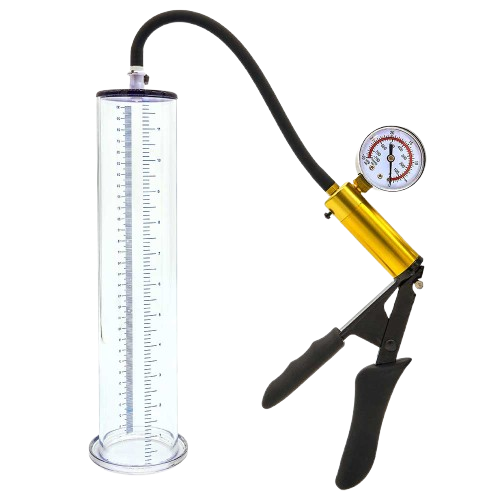
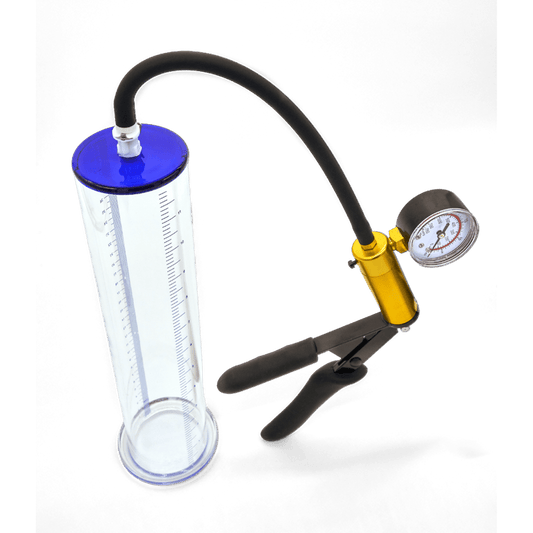
That said, vacuum erection devices are worth understanding as a distinct option, because they work mechanically rather than pharmacologically. A VED pump creates negative pressure that draws blood into the penis, and a constriction ring at the base holds the erection in place. Because the process doesn't depend on intact nerve signaling, arterial inflow, or a medication being safe to take, vacuum therapy is relevant across several of the cause categories above, including neurogenic and post-surgical ED, where pills frequently underperform. It's the reason the major urological guidelines position it as a standard second-line treatment.
Our guide to what a vacuum erection device is and how it works explains the mechanism, the evidence, and who it suits in more detail.
The table above is an overview; each option has trade-offs, contraindications, and success rates worth understanding before any decision. Our full guide to ED treatments compares pills, VEDs, injections, implants, and therapy in detail.
Can Erectile Dysfunction Be Reversed or Cured?
Whether erectile dysfunction can be reversed depends entirely on the underlying cause. Some forms are considered reversible, such as instances caused by lifestyle factors, certain medications, or hormonal imbalances, with symptoms typically improving when the underlying causes are addressed. Also, ED that is primarily psychogenic frequently resolves with the right psychological support.
Other forms of ED, such as those caused by structural damage (either owing to illness or significant surgery), significant nerve injury, or advanced vascular disease, are typically managed rather than cured, although it’s worth being clear that even ‘management’ of these cases can still restore satisfying sexual function.
Men can have the most direct influence on their symptoms when the condition is driven by lifestyle factors. The evidence around this is encouraging: regular aerobic exercise, weight loss, improved diet, better sleep, and stopping smoking can each improve erectile function. While lifestyle change is powerful, it cannot reverse structural damage or the effects of nerve injury - so it’s important to understand the limitations of adjustments in these areas if your ED falls into a wholly different category.
Beyond lifestyle adjustments, many men can still have a significant influence on their symptoms and outcomes. This usually starts with clear and open communication with their clinician and then adherence to a treatment regimen or VED protocol.
-
The Champion Pump
Learn More$69.99 Regular price -
Endurance Pro Pump
Learn MoreRegular price $75.99 - $106.99Unit price per -
Excelsior Smart Electric Vacuum Therapy Device
Learn MoreRegular price $135.99 - $159.99Unit price perSale




What Does Recovery From Erectile Dysfunction Look Like?
For lots of men, recovery from erectile dysfunction is a realistic goal, but it usually looks more like a managed timeline rather than an overnight fix, and what this involves depends heavily on the underlying cause.
At this stage, it’s useful to separate the idea of ‘recovery’ from that of a ‘cure’. As the previous section explained, some forms of ED can be reversed outright, but others are managed instead of cured. Recovery is a broader idea that applies to both: it’s the process of getting back to a satisfying sexual function. In some cases, that involves resolving an underlying cause, but in other cases that’s about becoming comfortable with the methods needed to manage your condition into the future.
For almost all men, this recovery process is gradual rather than instant. Function often returns or improves over weeks and months as a treatment takes effect and is used consistently, rather than switching back on all at once. It’s important to understand this as it sets realistic expectations and makes it easier to stick with any treatment long enough to see meaningful benefits.
Three things tend to shape the recovery picture more than anything else: the cause of the ED, how early treatment begins, and how consistently that treatment is followed. This is also why how well recovery goes, and how long it takes, varies so much from one man to the next.
When Should You See a Doctor About ED?
You should see a doctor about erectile dysfunction whenever it persists (i.e., occurs regularly over a number of days or weeks), as it can often be the first sign of a treatable underlying condition, and, in some cases, a serious one.
Erectile dysfunction can be an early warning sign of cardiovascular disease, sometimes preceding a cardiac event by years, which is why persistent ED deserves medical attention rather than self-management.
Other reasons to see a healthcare professional sooner rather than later include:
- ED that has persisted for several months or is getting worse.
- ED accompanied by other symptoms such as chest pain, reduced libido, or urinary changes.
- ED when you already have diabetes, heart disease, or high blood pressure (as it may signal disease progression).
- A sudden onset of ED, especially if linked to a clear event such as starting a new medication or surgery.
Any case where you’re considering treatment, since several effective options require a prescription or clinical supervision, and because of the nitrate contraindication, self-treating with oral medication can be dangerous.
Of course, as well as potentially signaling an underlying condition, there is also the fact of sexual fulfillment to consider. Doctors recognize this as an important part of a person’s overall health, so, even without any other factors to consider, if ED is impacting intimacy, a doctor will be able to suggest treatment options.
Many men and their partners will be exploring this guide to help them understand ED and why it is occurring for them. While this guide will hopefully explain some possible factors, it is ultimately something that can only be formally diagnosed by a doctor.
How Does Erectile Dysfunction Affect Partners and Relationships?
Erectile dysfunction is rarely something that a man experiences alone. It’s a condition that affects partners and relationships too, and the way a couple responds together can shape how the situation and recovery unfold. This is why partners are very much a part of all the information we provide.
The relationship dimension is important to look at because it works in both directions with ED. Relationship difficulties, tensions, or a loss of closeness can add to the pressure of ED, particularly when psychological factors are involved. At the same time, ED can put strain on a relationship, creating distance, frustration, or anxieties for both people. Because these things feed into each other, a change in a partner’s confidence or mood can influence the other, sometimes making the original problem hard to solve.
Partners can play a practical and supporting role in a person seeking help. It’s often a partner who suggests talking to a doctor, and many men find that conversation easier when they don’t feel like they’re facing it alone. Treatment decisions often involve both people too, since the goal is a satisfying sex life for the couple, rather than just a physical fix. Some treatment approaches, especially those involving certain devices and therapies, work best when both partners understand how they fit into their intimacy.
If you’re reading this as a partner of someone experiencing ED, it’s worth knowing that your understanding and involvement can make a real difference, both to whether or not your partner seeks medical support, and how well any treatment plan goes. Approaching ED as a shared issue, rather than one person’s problem to solve alone, tends to lead to better outcomes for both people.
Frequently Asked Questions
Here, we’ll explore some of the most frequently asked questions about ED.
-
What is erectile dysfunction and what causes it?
Erectile dysfunction is the persistent inability to get or keep an erection firm enough for satisfying sex. It’s caused by problems in one or more of four biological areas, blood vessels (vascular), nerves (neurogenic), hormones, or the physical structure of the penis, often combined with psychological factors that can worsen or sustain the problem. Many men find that they have more than one cause at once.
-
Is erectile dysfunction a normal part of aging?
ED becomes more common with age, but it's not an inevitable part of getting older. While prevalence rises sharply over the decades, many men in their 70s and beyond do not experience it, and most cases have an identifiable, treatable cause. Persistent ED should always be evaluated by a doctor rather than accepted as something to live with.
-
How do I know what kind of erectile dysfunction I have?
Symptom patterns can offer clues to the underlying cause. Gradual onset alongside cardiovascular risk factors suggests a vascular cause, while preserved morning erections may point to a psychological one, but only a proper medical evaluation can confirm it. A clinician will use your history, diagnostic questionnaires, examination, and further tests to identify the cause and suggest a treatment plan.
-
Can erectile dysfunction be cured?
Sometimes. ED that stems from lifestyle factors, certain medications, hormone imbalances, or psychological causes can often be improved or reversed by addressing the underlying causes. However, ED that comes from structural damage (possibly to nerves, blood vessels, or penile tissue) is often managed rather than cured outright, with effective treatment still often restoring a fulfilling sexual function in most men.
-
Is erectile dysfunction a sign of a more serious health problem?
It can be. Erectile dysfunction is often an early indicator of cardiovascular disease, diabetes, or hormonal disorders, simply because the small arteries of the penis are affected by these conditions before larger arteries show symptoms. This is why persistent ED should always be evaluated and explored by a doctor, rather than ignored or managed without medical guidance.
-
Will my erections come back, or is this permanent?
Since there are effective treatments for nearly all causes of ED, for most men, satisfying sexual function is achievable, even if the underlying reason for the ED cannot be entirely reversed. Whether natural, spontaneous erections return depends on the cause, but reversible factors often improve, whereas irreversible damage can usually be effectively managed.
-
What kind of lifestyle changes can help with erectile dysfunction?
Several lifestyle changes can improve erectile function: exercise, weight loss, better diet, better sleep, and stopping smoking. The evidence is encouraging, and the impact is greatest when ED is driven primarily by lifestyle factors. There are limits, though, lifestyle change typically cannot reverse structural damage or nerve injury, so it helps to know which category your ED falls into.
-
What is the best exercise for erectile dysfunction?
There's no single "best" exercise, but regular aerobic activity is consistently linked to improved erectile function, it supports the cardiovascular health erections depend on, so it matters most where ED is driven by lifestyle or vascular factors. Exercise cannot reverse ED from structural damage to the penis, though it still benefits your general health in those cases.
-
What are the treatment options for erectile dysfunction?
Treatment depends on the cause. PDE5 inhibitors like sildenafil and tadalafil are first-line for most men, enhancing the blood-flow response to arousal. Second-line options include vacuum erection devices (mechanical) and injectable or intraurethral therapies. A penile implant is third-line. Sex therapy, lifestyle change, and shockwave therapy (still investigational) can complement any tier - discuss what fits with your doctor.
-
Can ED affect younger men?
Yes. ED is more common as men get older, but it can affect men in their 20s and 30s too, often with a different mix of causes, including psychological factors, stress, lifestyle, and sometimes early signs of metabolic or cardiovascular issues. ED in younger men deserves the same evaluation as in older men, since the underlying cause matters more than the age it appears.
Conclusion: What Do You Do Next?
Erectile dysfunction is common, usually treatable, and, importantly, not just one condition, but a combination of several, each with its own cause and best path forward.
One useful thing you can do after reading this guide is to begin thinking about the symptoms you’ve been experiencing. While putting your ED experience into one or more of the categories we’ve explored in this guide is something best left to a medical professional, their job will almost certainly be easier if you’ve made some observations or simple notes about your ED. For example, whether your difficulty appeared gradually alongside cardiovascular or metabolic risk factors, followed a surgery or a new medication, accompanies a neurological condition, or shows up mainly in moments of stress or anxiety.
Notes, observations, or records are not essential, but the next step is: a conversation with a medical professional. They will be able to carry out a straightforward evaluation and match it to a treatment that’s suitable for you.
Some men are hesitant to discuss things they think of as sexual matters with a doctor or specialist. While this is understandable, it’s important to recognize that while this is a sensitive matter for you, they have similar conversations with men like you virtually every day. Whether your concerns are primarily around sexual function, underlying health issues, or both, it’s important not to let any sense of embarrassment stand in the way of the right, effective medical treatment.
References
National Institute of Diabetes and Digestive and Kidney Diseases. "Definition & Facts for Erectile Dysfunction." NIDDK. https://www.niddk.nih.gov/health-information/urologic-diseases/erectile-dysfunction/definition-facts.
Raveendran AV. "Erectile dysfunction: Proposed definition and staging for early diagnosis." World Journal of Methodology, 2026. https://pmc.ncbi.nlm.nih.gov/articles/PMC12968756/
Rosen RC, Riley A, Wagner G, Osterloh IH, Kirkpatrick J, Mishra A. "The international index of erectile function (IIEF): a multidimensional scale for assessment of erectile dysfunction." Urology, 1997. https://pubmed.ncbi.nlm.nih.gov/9187685/
Burnett AL. "The role of nitric oxide in erectile dysfunction: implications for medical therapy." Journal of Clinical Hypertension, 2006. https://pubmed.ncbi.nlm.nih.gov/17170606/
Pastuszak AW. "Current Diagnosis and Management of Erectile Dysfunction." Current Sexual Health Reports, 2014. https://pmc.ncbi.nlm.nih.gov/articles/PMC4394737/
Gareri P, Castagna A, Francomano D, Cerminara G, De Fazio P. "Erectile dysfunction in the elderly: an old widespread issue with novel treatment perspectives." International Journal of Endocrinology, 2014. https://pmc.ncbi.nlm.nih.gov/articles/PMC3976909/
Moore CS, Grant MD, Zink TA, Panizzon MS, Franz CE, Logue MW, Hauger RL, Kremen WS. "Erectile dysfunction, vascular risk, and cognitive performance in late middle age." Psychology and Aging, 2014. https://pmc.ncbi.nlm.nih.gov/articles/PMC4850828/
University Hospitals. "Vasculogenic ED (Erectile Dysfunction) Program." University Hospitals Harrington Heart & Vascular Institute. https://www.uhhospitals.org/services/heart-and-vascular-services/conditions-and-treatments/vascular-disease/conditions-and-treatments/vasculogenic-erectile-dysfunction-program
Thomas C, Konstantinidis C. "Neurogenic Erectile Dysfunction. Where Do We Stand?" Medicines, 2021. https://pmc.ncbi.nlm.nih.gov/articles/PMC7825654/
Sawka. "Neurogenic causes of erectile dysfunction." Journal of Sexual and Mental Health, 2004. https://journals.viamedica.pl/sexual_and_mental_health/article/view/33650
Czyzewski B, Czyzewska J, Dorota A, Dorota M, Kozlowski K, Zywiec W, Milczarek C, Mariankowska A. "The Impact of Commonly Used Medications on Erectile Dysfunction: Which Drugs Deserve Particular Attention?" Cureus, 2025. https://pmc.ncbi.nlm.nih.gov/articles/PMC12554092/
Chiles KA. "Hypogonadism and erectile dysfunction as harbingers of systemic disease." Translational Andrology and Urology, 2016. https://pmc.ncbi.nlm.nih.gov/articles/PMC4837306/
Donovan KA, Gonzalez BD, Nelson AM, Fishman MN, Zachariah B, Jacobsen PB. "Effect of androgen deprivation therapy on sexual function and bother in men with prostate cancer: A controlled comparison." Psycho-Oncology, 2018. https://pmc.ncbi.nlm.nih.gov/articles/PMC5709275/
Solan M. "Some drugs may cause your erectile dysfunction." Harvard Health Publishing. https://www.health.harvard.edu/mens-health/some-drugs-may-cause-your-erectile-dysfunction
Cruz Navarro N. "[Penile structural erectile dysfunction]." Archivos Españoles de Urología, 2010. https://pubmed.ncbi.nlm.nih.gov/20978294/
Pinggera G, Atmoko W, Cayan S, Chung E, Tsujimura A, El-Sakka A, Minhas S, Kadioglu A, Agarwal A, Shah R. "Customizing Therapy in Men with Peyronie's Disease: Insights from Expert Case Discussions." World Journal of Men's Health, 2026. https://wjmh.org/DOIx.php?id=10.5534/wjmh.250339#B44
Rosen RC. "Psychogenic erectile dysfunction. Classification and management." Urologic Clinics of North America, 2001. https://www.sciencedirect.com/science/article/abs/pii/S0094014305701373
Mirone V, Imbimbo C, Palmieri A, Longo N, Fusco F. "Erectile dysfunction after surgical treatment." International Journal of Andrology, 2003. https://pubmed.ncbi.nlm.nih.gov/12755991/
Artemi S, Vassiliu P, Arkadopoulos N, Smyrnioti ME, Sarafis P, Smyrniotis V. "A prospective study of erectile dysfunction in men after pelvic surgical procedures and its association with non-modifiable risk factors." BMC Research Notes, 2019. https://pmc.ncbi.nlm.nih.gov/articles/PMC6921531/
European Association of Urology. "Management of Erectile Dysfunction." EAU Guidelines on Sexual and Reproductive Health. https://uroweb.org/guidelines/sexual-and-reproductivehealth/chapter/management-of-erectile-dysfunction.
Dhaliwal A, Gupta M. "PDE5 Inhibitors." StatPearls [Internet], StatPearls Publishing, 2023. https://www.ncbi.nlm.nih.gov/books/NBK549843/.
DiMeo PJ. "Psychosocial and relationship issues in men with erectile dysfunction." Urologic Nursing, 2006. https://www.researchgate.net/publication/6550966_Psychosocial_and_relationship_issues_in_men_with_erectile_dysfunction
