


If you're experiencing erectile dysfunction (ED) after prostate surgery, cancer treatment, or another procedure or illness affecting sexual function, you might feel like you've been left guessing. Typically, the medical specialist overseeing your treatment will have explained the issue and the treatment, but the conversation about what happens to your sex life was probably brief, vague, and very likely, a bit uncomfortable. In many cases, this kind of conversation never happens at all, and, in some cases, you might feel so overwhelmed by the thought of having cancer, and all the implications that will have on life, that you may not remember the conversation at all.
While it's understandable that doctors, consultants, surgeons, and other specialists focus on dealing with the condition or issue you're immediately facing, overlooking sexual function after the fact can leave a lot of questions unanswered. In some cases, your doctor will be so highly trained in cancer treatment that sexual function just isn’t at the forefront of their priorities. For many men, issues with sexual performance following a procedure or illness can be as disorienting as the condition itself, and people are often left with a sense of a trade-off that no one prepared you for.
That feeling is perfectly legitimate, and it deserves a real answer.
We've put this guide together for men who have undergone radical prostatectomy, radiation therapy, bladder surgery, or one of the many other procedures or illnesses that affect erectile function, and for their partners. This isn't a guide that focuses on lifestyle factors or psychological issues that can cause ED; it's about the specific, physiological reality of what happens when nerves, blood vessels, or tissue are damaged during treatment, and what the clinical evidence says about recovery.
When you've finished reading, you'll understand:
- Why post-surgical or post-illness ED is different from other forms of ED
- What's actually happening inside the body in the weeks and months following treatment
- What recovery options exist, depending on your specific condition
- Why taking action is the most important clinical decision you can make
Why Is ED After Surgery or Treatment Different From Other ED?
Post-surgical and illness-related ED is caused by direct physical damage to the nerves, blood vessels, or tissue involved in producing an erection, not by lifestyle or psychological factors. Unlike general ED, where the underlying system is largely intact, post-surgical ED involves structural disruption that lifestyle changes cannot address. It is a sudden and obvious difference in your sexual health, as opposed to a slow, gradual one. This distinction also changes the urgency of treatment: the window during which rehabilitation can make the most meaningful difference begins counting down from the day of surgery or the start of treatment.
If you've looked elsewhere online, you'll probably have noticed that discussions around erectile dysfunction focus on lifestyle factors, cardiovascular health, obesity, diabetes management, and psychological stress.

For many men, these conversations are appropriate and useful, but if you've developed ED because a surgeon has operated near your cavernosal nerves, because radiation therapy damaged the blood supply to your penis, or one of the many other physical issues that can be brought on by treatment, lifestyle changes are not the answer you're looking for.
To understand why, it's useful to take a slightly more detailed look at the most common causes of ED that follow surgery or a treatment for an illness. They are neuropraxia, vascular injury, and cavernous smooth muscle hypoxia.
| CAUSES OF ED AFTER SURGERY | HOW THEY AFFECT ERECTIONS |
| Neurapraxia | Erections rely on the cavernosal nerves. When these nerves are bruised, stretched, or compressed during surgery, the result can be neurapraxia. It’s useful to think of this condition as a power line that's damaged but not completely cut: the infrastructure is intact, but the signal is interrupted. It's different in every case, but for some men it can take months or years for nerve function to recover. In some men, the nerves may not recover at all. |
| Vascular Injury | When surgery or radiation is carried out, the small arteries that supply blood to the penis can be damaged. Since erections rely on blood becoming trapped in the penis to stay firm, any damage to that supply can stop the normal erection process from happening as it did before. |
| Cavernosal Smooth Muscle Hypoxia |
Blood flow doesn't just make erections possible; it also delivers oxygen to the muscle tissue in the penis, the corpora cavernosa. When surgery or treatment causes erections to stop, this muscle can become oxygen-deprived, triggering a breakdown of the muscle fibers that may become irreversible without treatment. We cover the science of this scarring process in our dedicated guide to penile fibrosis. |
Penis Shortening, Another Common Side Effect
While this guide is mainly about conditions that hinder or prevent erections, there's a closely associated side effect worth covering: shortening of the penis. It isn't a surgical complication so much as a predictable consequence of these procedures: the buildup of collagen and connective tissue around the now-undernourished muscle and blood vessels. Also, in some cases, the loss of the prostatic urethral length that occurs when a prostate is removed also contributes to the loss of penile length when the penile urethra is directly reattached to the bladder neck.
The good news is that it's largely preventable, particularly after radical prostatectomy, but only with early intervention. Penile shortening is well-documented: on average, men lose about 1 cm of stretched length in the first year, and many notice a visible change in the 1–2 cm range. Men who begin VED use within the first few weeks of surgery consistently retain significantly more length than those who take no action.
It might seem purely cosmetic, but it shouldn't be dismissed, for many men penile size is an important part of confidence and identity. The key point is that time matters: as the window narrows, the structural changes become increasingly harder to reverse.
Doesn't Viagra Stop All This From Happening?
Viagra and the other PDE5 inhibitors (sildenafil, tadalafil, vardenafil) are very effective for lifestyle-related ED, but ED after surgery or treatment is a different problem: these medications rely on the underlying nerves and blood vessels working, and surgery or treatment can physically disrupt that machinery. A different approach is usually needed, and it needs to begin early.
That’s not to say that PDE5 inhibitors don’t have a role though. It is not uncommon for some men to start low-dose PDE5 inhibitors before surgery to help prevent loss of length after surgery.
Which Surgeries and Treatments Most Commonly Cause ED?
The procedures and treatments most commonly responsible for ED include radical prostatectomy, radiation therapy for prostate cancer, bladder cancer surgery, colorectal surgery, surgery for an enlarged prostate, and pelvic radiation for rectal cancer. Each affects erectile function in a slightly different way and on a different timeline.
Post-surgical erectile dysfunction isn't one single condition. Instead, it's better thought of as a category of conditions, each with its own reasons for occurring, timeline, and treatment options.
In the sections below, we'll dig into these issues in more detail. You might want to read them all, or just skip to the one that's most relevant to you. For each, there's the option to do more reading too, with a link that takes you to a more detailed look at the condition, the side effects, and treatments.
1. Radical Prostatectomy
Radical prostatectomy is the medical term for the removal of the prostate gland. This type of surgery is performed on around 90,000 men in the U.S. every year, and is a leading cause of long-term post-surgical ED.
Even with bilateral nerve-sparing surgery, a large proportion of men still develop ED, with many sources reporting ongoing problems in roughly 40–70% of patients one to two years after surgery; where nerve-sparing isn't possible, well over three-quarters do, and rehabilitation shifts toward preserving tissue health rather than nerve recovery.
In our detailed guide, Erectile Dysfunction After Prostate Surgery, we give a breakdown of what causes this type of ED, what rehabilitation can look like, and a recovery timeline.
2. Radiation Therapy for Prostate Cancer
Prostate cancer radiation is typically either external beam radiation therapy (EBRT) or brachytherapy. These cause ED in roughly one-third to two-thirds of patients, but unlike surgical ED, the onset is often delayed, emerging between about 6 and 24 months after therapy and worsening over the following years. Many men are also put on androgen deprivation therapy (ADT) during radiation to treat the prostate cancer as well. These medications intentionally decrease the amount of testosterone, or the male hormone, in a man’s body. ED can result from this process.
This delayed, quiet onset of ED symptoms makes it especially important to think about early, preventive vacuum erection device use. We explore this topic in more detail in our exploration of erectile dysfunction after radiation therapy.
3. Bladder Cancer Surgery (Radical Cystectomy)
Removal of the bladder, and sometimes surrounding tissue, is called a radical cystectomy, a procedure that’s done in cases of advanced bladder cancer. In most cases, the prostate and seminal-fluid glands are removed too, usually in a way that doesn't preserve the cavernosal nerves.
As a result, erectile dysfunction follows in almost all men after bladder removal. These men are also frequently overlooked for penile rehabilitation, because oncology follow-ups focus on monitoring for recurrence. Understandable, but it leaves many with no guidance on recovering erectile function.
We explore this topic in more detail in our guide: ED After Bladder Cancer Surgery.
4. Colorectal Surgery
Surgery for colorectal cancer, particularly procedures involving the rectum such as total mesorectal excision, carries a real risk of erectile dysfunction because the autonomic nerves that control erections run close to the rectum and can be damaged when the tumor is removed. Reported rates of ED after this surgery vary widely with tumor location and technique, with some series reporting figures in the 20-58% range.
The mechanism is closely related to prostate surgery: the nerves sit near the surgical field, and the same early-rehabilitation logic applies. We go into pelvic nerve recovery after this kind of surgery in our dedicated guide to colorectal surgery.
5. Surgery for an Enlarged Prostate (TURP and HoLEP)
Not all prostate surgery is for cancer. Procedures for benign prostatic hyperplasia (BPH), an enlarged prostate, including TURP (transurethral resection of the prostate) and HoLEP (holmium laser enucleation of the prostate), can also affect erectile function. The risk is generally lower than for radical prostatectomy because the whole gland isn't removed, but ED is a recognized possible outcome for between 5.2-14% of men. TURP uses electrocautery inside the prostate to remove tissue and stop bleeding. As a result, thermal damage from the electrocautery can cause nerve damage resulting in ED. HoLEP also uses a laser in a similar manner.
We cover what these patients need to know in our guide to ED after BPH surgery.
6. Rectal Cancer Radiation
Radiation aimed at the rectum, rather than the prostate, can also damage the blood vessels and nerves involved in erections, often as a side effect that isn't clearly explained at the time of treatment. Studies show that this kind of radiation therapy can cause ED in up to 53% of men, and, as with prostate radiation, onset tends to be delayed rather than immediate, which makes preventive rehabilitation especially relevant.
We look at this often overlooked side effect, and what to do about it, in our dedicated guide to ED after rectal cancer radiation.
Can Erectile Function Return After Surgery?
For many men with post-surgical or illness-related ED, partial or full recovery of erectile function is possible. In a meta-analysis of radical prostatectomy outcomes, the overall recovery rate was 58%, rising to 77% in men under 60, with most studies measuring erections firm enough for intercourse at least a year after surgery. How much recovery is realistic depends largely on nerve-sparing status, age and baseline function, and whether penile rehabilitation begins early.
Let's take a look at each in more detail:
Nerve Preservation Status
As covered earlier, nerve-sparing surgery offers a significantly better recovery prospect than surgery that has not allowed for the nerves to remain intact.
Age and Baseline Function
Men with strong erectile function before surgery or the onset of a condition who are younger than 60 tend to show better recovery paths. If you already have erectile dysfunction prior to surgery, it certainly will not get any better after surgery.
Early Rehabilitation
Rehabilitation is the only factor in the recovery equation that men have control over. It doesn't change your age or the procedure that's been carried out, but it may change the outcome by preserving tissue integrity that helps with recovery.
What Is Penile Rehabilitation, and Why Does It Matter?
Penile rehabilitation is a structured program designed to maintain the health of penile tissue during the period after surgery or treatment when natural erections aren't occurring. Without it, the smooth muscle inside the penis becomes oxygen-deprived, connective tissue begins to replace healthy muscle fibers, and the structural changes that result can become permanent.
Put simply, if natural erections aren't happening, tissue damage can occur, so if erections can be created regularly by other means, even while the nerves and muscle aren't yet working as they should, that damage can be prevented or minimized. The goal of rehabilitation is to artificially maintain the blood flow and oxygenation that erections would normally provide.
Where rehabilitation does appear to help, the pattern is that outcomes depend not on the device but on how it's used: regular, structured use that begins early and continues through the rehabilitation window. A VED used daily as part of a defined program produces meaningfully better results than the same device used occasionally. Think of the protocol as the treatment and the device as how it's delivered.
What is the Rehabilitation Window?
Most experts recommend starting penile rehabilitation as early as possible after surgery and continuing structured therapy for at least 12 months, because delaying rehab beyond about 6 months is associated with poorer erectile recovery.
During this period, the smooth muscle of the corpora cavernosa is under hypoxic stress, often not getting enough oxygen, and the buildup of connective fibers has begun but not completed. Intervention now can preserve muscle viability, maintain the space within the muscle structure, and keep the blood vessels from becoming constricted.
As this window narrows, the structural changes within the penis are thought to become progressively harder to reverse. That's not a reason to despair if this window has passed for you; rehabilitation at any stage still has value, but it is a reason to act sooner rather than later.

What Does a Vacuum Erection Device Have to Do with Rehabilitation?
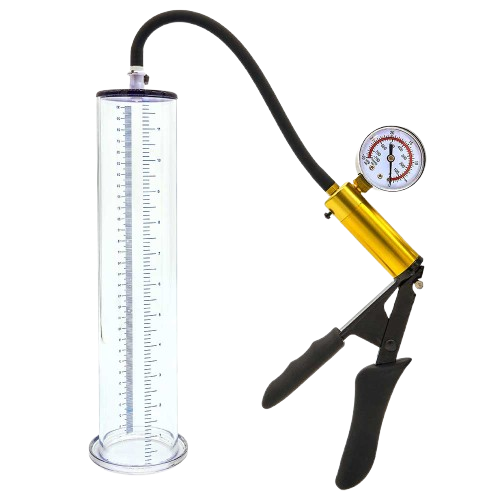
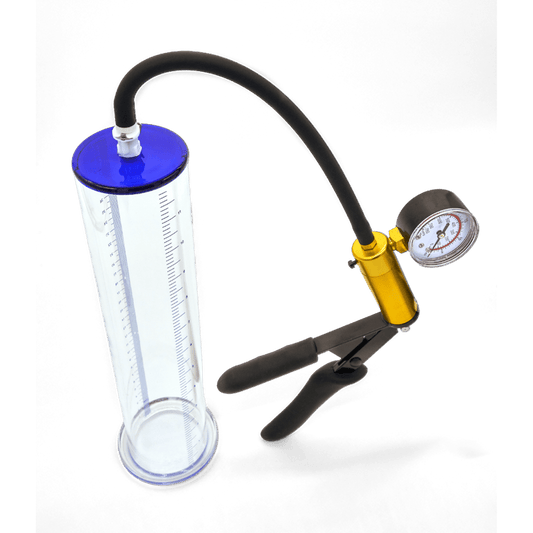
We've mentioned vacuum erection devices a few times, so it's worth being clear what they are. A VED is a cylinder that uses a pump to create negative pressure around the penis, drawing blood into the corpora cavernosa, the paired chambers of spongy tissue that fill to produce an erection.
Unlike PDE5 inhibitors, which need the nerves to work, a VED produces an erection through negative pressure alone. It works regardless of nerve status or hormone levels, and remains effective in most cases of vascular injury, though severe vascular damage may affect the quality of erections for intercourse.
Used as a rehab tool, usually 10–15 minutes a day as part of a structured program, a VED restores oxygen delivery to the muscle, helping preserve muscle and blood-vessel function while preventing scar tissue from building up. People assume these pumps exist to create an erection for intercourse; at this stage the goal is different, it's to keep the tissue alive and working as it would naturally.
Detailed reviews of the subject note that both the AUA and the EAU recognize VED therapy as a supported intervention for penile rehabilitation after radical prostatectomy, with many protocols supporting initiation four to six weeks after surgery.
For a complete explanation of how VEDs work as medical devices and how they are used in rehabilitation, see our guide: What Is a Vacuum Erection Device?
PDE5 Inhibitors as Part of the Rehabilitation Protocol
For men who have had nerve-sparing surgery, many urologists also prescribe a low dose of PDE5 inhibitors as part of a 'combination protocol'. These medications help nitric oxide take effect on the smooth muscle in the penis, relaxing it to allow it to fill with blood.
But the nerves that trigger nitric oxide release have to be present and healthy, which is why PDE5 inhibitors often don't work alone early on, and why VED-based rehabilitation, which needs no nerve input but can help the nerves recover, is the go-to.
What Are the Treatment Options for Post-Surgical ED?
The main treatment options for post-surgical ED are PDE5 inhibitors (such as sildenafil or tadalafil), vacuum erection devices (VEDs), penile injection therapy, intraurethral suppositories, and, in cases where other approaches haven't worked, penile implants.
For most men, a combination of two or more of these is more effective than any single treatment alone, particularly in the early stages of recovery. The sections below cover each option honestly, in the order that clinical guidelines generally recommend them.
For a side-by-side comparison of every option in one place, see our full treatment guide.
1. PDE5 Inhibitors (Sildenafil, Tadalafil, Vardenafil)
These are the drugs most associated with treating ED, Viagra, Cialis, and their equivalents. They're a useful part of the toolkit, but they work best when the nerves and blood vessels are largely intact.
Because post-surgical ED often involves nerve disruption, their effectiveness early on is limited; as nerve function gradually returns over months, they become more effective.
For men who are also on nitrate therapy for a heart condition, these drugs are not an option at all.
2. Vacuum Erection Devices
As covered earlier, VEDs are recommended as a recognized treatment by both the AUA and the EAU, for post-surgical rehabilitation and for producing erections for intercourse.
During rehab a VED is used daily without a constriction ring to keep tissue oxygenated; for intercourse, a ring is fitted at the base after pumping to hold blood in place long enough for sex.
As with all rehabilitation tools, outcomes depend on consistent, structured use, a VED used as part of a defined program produces significantly better results than one used occasionally or without guidance.
One practical note if you're uncircumcised: foreskin swelling can occur with VED use. It's rare and usually settles with a short break, but our medical team sees it more often in men who have had prostate radiation. Retracting the foreskin fully before each session and starting at a low pressure both reduce the risk. If you can't retract it back over the head of the penis, mention that to your urologist before you start
-
Excelsior Smart Electric Vacuum Therapy Device
Learn MoreRegular price $135.99 - $159.99Unit price perSale -

 Sale
SaleThe Champion+ Kit
Learn More$74.99 Regular price$157.99Sale priceRegular price $74.99Unit price perSale -
Endurance Pro Pump
Learn MoreRegular price $75.99 - $106.99Unit price per


3. Penile Injection Therapy (Intracavernosal Injection / ICI)
This involves injecting a small amount of medication directly into the side of the penis, which causes the blood vessels to relax and blood to flow in, producing a reliable erection without needing the nerves to be working.
It sounds daunting, but most men find it straightforward after the first few attempts, and it's highly effective even where other treatments haven't worked well. It's typically recommended when VEDs and PDE5 inhibitors together aren't producing the results needed.
4. Intraurethral Suppositories (MUSE)
MUSE is a needle-free alternative that delivers medication into the urethra using a small applicator. It works like injection therapy, relaxing the blood vessels to allow blood flow, but without the needle.
It tends to be less reliable than ICI, and results vary considerably from person to person, but it's a useful middle ground for men who need pharmacological support but want to avoid needles.
5. Penile Implant (Inflatable Penile Prosthesis)
A penile implant is a surgically placed device, two inflatable cylinders inside the penis, connected to a small pump in the scrotum, that allows a man to produce an erection on demand. It's the most invasive option and is generally considered when other approaches haven't worked.
It's worth knowing that satisfaction rates for penile implants are among the highest of any ED treatment, most men who go down this route are very glad they did.
One important note: once an implant is in place, VEDs can no longer be used, so it's a decision to make carefully and in consultation with a specialist. We cover preparing for and recovering from implant surgery, including the role of VED therapy beforehand, in our dedicated guide.
6. Combination Protocols
Because many men do not respond adequately to a single therapy after surgery, combination or sequential treatments (oral medication plus mechanical or injection‑based options) are often needed in practice, especially early on. For non-nerve-sparing surgery, the VED tends to be the primary rehab tool, with injection therapy added for intercourse if needed.
Your urologist will be able to guide you toward the right combination for your specific situation and surgical history.
When Should Penile Rehabilitation Begin After Surgery?
The short answer is: as soon as your surgeon says it's safe, which is typically around four to six weeks after a radical prostatectomy, once the catheter has been removed and the initial healing is underway.
This may feel too soon. Many men's instinct after major surgery is to let the body settle before introducing anything new. That's understandable, but while you're resting, the tissue inside the penis isn't waiting: the oxygen-deprivation process begins straight away, and the six-to-twelve-month window in which rehabilitation makes the most difference starts counting down from the day of surgery.
The sooner you safely start, the more of that window you preserve.
What about men who've had radiation therapy?
The timing is a little different for radiation patients. Because ED following radiation tends to develop slowly and quietly over the 6-24 months following treatment, rather than immediately, many clinicians recommend starting VED use as soon as radiation is complete.
In some treatment programs, it's even recommended during radiation itself. The aim here is genuinely preventive: protecting tissue before decline sets in, rather than responding to it after the fact.
What if time has already passed?
If you're reading this some months after surgery and haven't yet started a rehabilitation program, it's important to know that it's not too late. Later intervention is better than no intervention.
The window for maximum impact may have narrowed, but rehabilitation still has real value, and a urologist or sexual medicine specialist can advise on what's still possible and what the best approach looks like at your stage.
The message is the same regardless of where you are in the process: earlier is better, and starting now is better than starting later.
How to Talk to Your Doctor About ED After Surgery
Raising erectile dysfunction with your urologist after surgery is straightforward in practice: be direct, use the clinical term, and ask specifically about penile rehabilitation and your options. Most urologists expect this conversation; ED after surgery is a documented clinical consequence, not a personal complaint or an act of vanity, and there are established treatment pathways your doctor can refer you to.
Although unlikely, if you feel the conversation is brushed aside, asking for a referral to a sexual medicine specialist is a reasonable next step.
Questions worth raising at your next appointment
If you're not sure where to start, the following questions can help move the conversation in the right direction:
- "What is my nerve-sparing status, and what does that mean for my recovery?"
- "Am I a candidate for penile rehabilitation, and when should I start?"
- "Is a VED appropriate for me, and can you point me toward a clinical-grade device?"
- "Should I be taking a low-dose daily PDE5 inhibitor as part of my rehabilitation?"
- "At what point would you consider referring me to a sexual medicine specialist?"
You don't need to ask all of these at once, but having even one or two in mind before your appointment can make the difference between leaving with a path forward and leaving with nothing.
We go into this in a lot more detail in our guide on how to talk to your doctor about ED after surgery, including what to do if the conversation doesn't go the way you'd hoped.
The Emotional Impact of ED After Surgery
The clinical side of post-surgical ED matters, but it's only part of the picture. For many men, the emotional weight of what's happened can feel just as significant as the physical change, and it deserves to be taken just as seriously.
Surviving something like cancer is supposed to bring relief, and often it does, but it frequently brings grief alongside it: for a part of life taken without much warning, or the sense that the version of yourself on the other side feels unfamiliar. These are genuinely difficult feelings to sit with, and far more common than most men realize.
Depression and anxiety are well-documented alongside ED, they're not just understandable reactions, they're recognized clinical responses to this kind of loss. If you've been feeling low, withdrawn, or unlike yourself since surgery or treatment, it's important to understand that this is not weakness, and it's not something to push through alone.
The relationship dimension
For men in relationships, ED after surgery rarely stays a private experience for long, even if it's never directly spoken about. Partners are often quietly carrying their own uncertainty: aware that something has changed, unsure how to raise it, and sometimes worried that bringing up intercourse will seem like the wrong priority. Many men, picking up on that uncertainty, withdraw, and what begins as a physical difficulty can quietly become an emotional distance.
This is one of the most important things to understand: the psychological impact of ED and the physical reality of ED feed into each other. Anxiety and depression don't just change the way you feel; they actively suppress sexual function, which compounds the physical problem. If you're the partner of someone going through this, we've written a guide specifically for you.
You don't have to navigate this alone
The men who tend to do best through this process aren't necessarily the ones with the best surgical outcomes; they're the ones who stay engaged, who keep their follow-up appointments, start their rehabilitation program, and find a way to talk about what they're going through, whether that's with a partner, a friend, or a professional.
If the emotional side of this is feeling heavy, speaking with a sexual medicine therapist who has can make a real difference. This isn't about fixing something that's broken; it's about having the right support around you while you navigate something that's genuinely difficult.
We explore the emotional side of this in more depth in our companion piece: The Emotional Reality of ED After Surgery.
Frequently Asked Questions
ED after surgery is a huge topic, and it's likely to inspire many questions if it's something you're facing. We've covered some of the most common questions here:
-
Is it normal to feel depressed or anxious after prostate surgery?
Yes. If you’re experiencing depression and anxiety, know they are well-documented, recognized clinical responses to ED, not signs of weakness. Many men feel low, withdrawn, or unlike themselves afterward, more often than they realize. These feelings are treatable, and speaking with your doctor or a therapist experienced in sexual health can help. -
What's the difference between using a VED for rehabilitation and using it for intercourse?
When used for rehabilitation, a VED is operated daily for 10–15 minutes without a constriction ring; the goal is oxygenating tissue and preventing structural damage, not producing an erection for intercourse. When used for intercourse, a constriction ring is applied after pumping to maintain the erection. The two uses are clinically distinct and often occur at different stages of recovery. -
Does insurance cover penile rehabilitation?
Coverage varies by plan and state, but many insurers cover VEDs when prescribed by a urologist for a documented medical indication such as post-prostatectomy ED. Medicare Part B covers VEDs as durable medical equipment in many cases. A formal prescription from your urologist is the first step; your insurer can then confirm coverage under your specific plan. HSA/FSA funds can typically be used for VEDs as well when prescribed and are medical-grade. -
Is erectile dysfunction after prostate surgery permanent?
Not necessarily, but recovery isn't guaranteed and depends most on nerve-sparing status, age, and pre-surgery function. In a meta-analysis of radical prostatectomy outcomes, the overall recovery rate was 58%, rising to 77% in men under 60, though definitions varied. Many specialists recommend starting penile rehabilitation early to limit fibrosis, though its long-term benefit is still being researched. -
How long does ED last after surgery?
For most men following a rehabilitation program after radical prostatectomy, meaningful recovery takes 12 to 24 months; some see improvement within six months, others take longer. It's most likely in younger men with bilateral nerve-sparing surgery who began rehabilitation within four to six weeks. There's no single timeline; structured follow-up and honesty with your urologist matter. -
Is it safe to use a vacuum erection device after cancer surgery?
VEDs are recommended by clinical guidelines for penile rehabilitation, particularly after radical prostatectomy, and are safe from around four to six weeks post-surgery once the catheter is out and your surgeon approves. They don't require working nerves, have no drug interactions, and suit men who can't take PDE5 inhibitors, including those on nitrates, after both surgery and radiation.
What to Do Next
Erectile dysfunction following surgery or cancer treatment is a legitimate medical condition, caused by real, physical changes to nerves, blood vessels, and tissue. It's not a consequence of aging, lifestyle, or anything you did wrong. And it has established treatment pathways, backed by solid clinical evidence, that can make a real difference.
The single most important thing to take from this guide is that time matters. The process that gradually reduces erectile capacity and penile dimensions doesn't pause while you find the right moment to act. The rehabilitation window is open right now, and the sooner you move, the more of it you get to use.
If you've recently had surgery, the conversation to have with your urologist, this week, not next month, is a simple one: "I want to start a penile rehabilitation program. When can I begin, and what should it include?" That's it. That's the question that starts the process.
If you're a partner or family member reading this for someone else, the fact that you're here already matters more than you might realize. Partner involvement has a measurable positive effect on recovery, not through pressure, but simply through a man knowing he isn't navigating this alone. The most useful thing you can do is encourage the conversation with a doctor and make clear you're in it together.
You don't have to have it all figured out today. You just have to take the next step.
References
Yu Ko WF, Degner LF, Hack TF, Schroeder G. "Penile length shortening after radical prostatectomy: men's responses." European Journal of Oncology Nursing, 2010. https://pubmed.ncbi.nlm.nih.gov/19811950/
Dalkin BL, Christopher BA. "Preservation of penile length after radical prostatectomy: early intervention with a vacuum erection device." International Journal of Impotence Research, 2007. https://pubmed.ncbi.nlm.nih.gov/17657210/
Lowrance WT, Eastham JA, Savage C, Maschino AC, Laudone VP, Dechet CB, Stephenson RA, Scardino PT. "Contemporary open and robotic radical prostatectomy practice patterns among urologists in the United States." The Journal of Urology, 2012. https://pmc.ncbi.nlm.nih.gov/articles/PMC3407038/
Talcott JA, Rieker P, Propert KJ, Clark JA, Kantoff PW, Wishnow KI, Loughlin KR, Richie JP. "Patient-Reported Impotence and Incontinence After Nerve-Sparing Radical Prostatectomy." JNCI: Journal of the National Cancer Institute, 1997. https://academic.oup.com/jnci/article-abstract/89/15/1117/2526326
Fred Hutchinson Cancer Research Center. "Sexual dysfunction after prostate surgery is more common than previously reported, says Hutchinson Center study." Fred Hutchinson Cancer Research Center, 2000. https://www.fredhutch.org/en/news/releases/2000/01/JAMAprostatectomy.html
Johns Hopkins Medicine. "Erectile Dysfunction After Prostate Cancer." Johns Hopkins Medicine. https://www.hopkinsmedicine.org/health/conditions-and-diseases/prostate-cancer/erectile-dysfunction-after-prostate-cancer
Siglin J, Kubicek GJ, Leiby B, Valicenti RK. "Time of decline in sexual function after external beam radiotherapy for prostate cancer." International Journal of Radiation Oncology, Biology, Physics, 2010. https://pubmed.ncbi.nlm.nih.gov/19395191/
Pronk CE, Albers LF, Kuijper LDJ, Hendricksen K, Nicolai MPJ. "Sexual function after radical cystectomy in males with bladder carcinoma: a six-year longitudinal single-centre study." Frontiers in Urology, 2023. https://www.frontiersin.org/journals/urology/articles/10.3389/fruro.2023.1100516/full
Fillon M. "Erectile dysfunction common within the first year after rectal cancer surgery." CA: A Cancer Journal for Clinicians, 2025. https://acsjournals.onlinelibrary.wiley.com/doi/full/10.3322/caac.21879
Leong JY, Patel AS, Ramasamy R. "Minimizing Sexual Dysfunction in BPH Surgery." Current Sexual Health Reports, 2019. https://pmc.ncbi.nlm.nih.gov/articles/PMC6714584/
Ball M, Nelson CJ, Shuk E, Starr TD, Temple L, Jandorf L, Schover L, Mulhall JP. "Men's experience with sexual dysfunction post-rectal cancer treatment: a qualitative study." Journal of Cancer Education, 2013. https://pmc.ncbi.nlm.nih.gov/articles/PMC3755110/
Tal R, Alphs HH, Krebs P, Nelson CJ, Mulhall JP. "Erectile function recovery rate after radical prostatectomy: a meta-analysis." The Journal of Sexual Medicine, 2009. https://pmc.ncbi.nlm.nih.gov/articles/PMC4097184/
Wong J, Witherspoon L, Flannigan RK. "Under-recognized factors affecting penile implant satisfaction in patients." Canadian Urological Association Journal, 2022. https://pmc.ncbi.nlm.nih.gov/articles/PMC9343162/
Gandaglia G, Suardi N, Cucchiara V, Bianchi M, Shariat SF, Roupret M, Salonia A, Montorsi F. "Penile rehabilitation after radical prostatectomy: does it work?" Translational Andrology and Urology, 2015. https://pmc.ncbi.nlm.nih.gov/articles/PMC4708129/
European Society for Sexual Medicine. "The role of penile rehabilitation after radical prostatectomy: where are we today and what perspectives do we have?" ESSM. https://www.essm.org/the-role-of-penile-rehabilitation-after-radical-prostatectomy-where-are-we-today-and-what-perspectives-do-we-have/
Kaulback K, Argáez C. "Phosphodiesterase Type 5 Inhibitors for Penile Rehabilitation Post Radical Prostatectomy: A Review of Clinical Effectiveness and Guidelines." Canadian Agency for Drugs and Technologies in Health, 2017. https://www.ncbi.nlm.nih.gov/books/NBK526297/
Bratu O, Oprea I, Marcu D, Spinu D, Niculae A, Geavlete B, Mischianu D. "Erectile dysfunction post-radical prostatectomy - a challenge for both patient and physician." Journal of Medicine and Life, 2017. https://pmc.ncbi.nlm.nih.gov/articles/PMC5304365/
