


Vacuum erection devices are among the most established non-drug treatments for erectile dysfunction, recommended by urologists and sexual medicine specialists for conditions ranging from post-surgical recovery to diabetes and cardiovascular disease. Despite this, most men first encounter them in a brief clinical conversation or a confusing online search, with very little reliable explanation of what they are or how they work.
This guide covers what a vacuum erection device is, how it works mechanically and physiologically, who benefits from one, how it is used for both rehabilitation and intercourse, its safety profile, and how it compares with other treatments.
What Is a Vacuum Erection Device?
A vacuum erection device (VED) is a device that uses negative pressure to draw blood into the penis, producing an erection mechanically, without requiring drugs, nerve function, or hormonal input. They are often recommended by urologists and sexual medicine specialists as a treatment option for erectile dysfunction (ED) and for penile rehabilitation after surgery.
You may have heard the term 'penis pump' used to describe devices like these in the past. While the terms refer to the same thing, 'vacuum erection device' is typically used for products that are designed with medical use in mind. 'Penis pumps', on the other hand, are more of a common consumer product, and very few are recommended by medical professionals. We'll touch on the differences a little more later in this guide.
VEDs are typically used for two related, but different, medical purposes. It's useful to understand the differences:
-
Creating erections for intercourse, using a constriction ring to maintain your erection after pumping.
-
Penile rehabilitation, daily use without a constriction ring to help preserve tissue health during the recovery period after surgery, when natural erections have stopped or happen less frequently.
While somewhat related, these are not the same use, and they happen at different stages of recovery.

How Does a Vacuum Erection Device Work?
A VED is designed to create a sealed chamber around the penis and then remove air to generate negative pressure. Early sessions typically start at gentler pressures of around 75 mmHg below atmospheric, which helps you get used to the mechanism and fit of the device, with later use working up to 250 mmHg below atmospheric pressure. This pressure gradient draws blood from the veins in the pelvis into the corpora cavernosa, the chambers of spongy tissue in the penis that fill with blood during a natural erection.
If required, a constriction ring is placed at the base of the penis, which then prevents blood from flowing back out, maintaining the erection.
In short, that's the mechanics of how a VED works. It's worth comparing this to how a natural erection works, because the two mechanisms are quite different.
How a Natural Erection Works

In a natural erection, the cavernosal nerves release nitric oxide, which relaxes the smooth muscle in the walls of the 'helicine' arteries and the space within the corpora cavernosa. This relaxation allows oxygenated arterial blood to flow in under pressure, expanding the corpora cavernosa.
As they expand, they compress the veins in the penis (known as the 'subtunical venules') against the tunica albuginea (the tough outer sheath of the erectile chambers), which traps the blood inside. In medical terms, this is called the 'veno-occlusive mechanism', and it’s what maintains the rigidity of an erection.
Each step of this process depends on the nerves working initially. Without the nerve signal, no nitric oxide is released, the smooth muscle doesn't relax, and there's no arterial inflow.
How a VED Erection Works
A vacuum erection device bypasses the entire nerve-signaling pathway. The negative pressure draws the blood directly, no nitric oxide release required, no smooth muscle relaxation triggered by nerve signals. The blood is drawn into the space within the muscles mechanically, and the constriction ring takes over the role that the compression of the veins inside the penis normally provides, but this time compressing the base of the penis to prevent outflow.
This is why VEDs are often seen as especially well-suited to men whose nerves have been damaged or completely removed during a procedure. Where PDE5 inhibitors (like Viagra and similar drugs) still need the nerves to trigger nitric oxide release, a VED creates an erection through mechanical action, so it works regardless of the nerve status and is effective in most cases of vascular injury.

What a VED Erection Looks and Feels Like
A VED-assisted erection is different from a natural erection in a few ways, and it’s worth knowing what to expect so these differences don’t come as a surprise:
The skin sometimes appears a slightly different color, with more of a pink-purple tone. This is because a VED draws blood into the penis from outside through suction, which is primarily venous blood, whereas a natural or pill-mediated erection pushes blood in from inside through arterial dilation triggered by nerve signals. The end result looks similar, but the underlying mechanism is different. For the same reason, the erection can feel slightly cooler to the touch. The glans (the tip of the penis) may not engorge as fully as the shaft, and there may be a slight ‘hinge point’ at the base where the constriction ring sits. None of these factors mean the device isn't working; in fact, it means it's working exactly as it should.
When Are Vacuum Erection Devices Recommended?
VEDs are recognized as a treatment option for men with erectile dysfunction across a wide range of clinical causes, including post-surgical ED following radical prostatectomy, cystectomy, or radiation therapy, Peyronie's disease, diabetes, cardiovascular disease (particularly in men on nitrate therapy), medication-induced ED, androgen deprivation therapy, veno-occlusive dysfunction (venous leak), and neurological conditions such as spinal cord injury and multiple sclerosis.
The common thread is that a VED works through mechanical action alone:
- It requires no nerve function,
- No hormonal input, and no medication,
- It does not depend on the body's own arterial inflow or veno-occlusive function.
- The negative pressure draws blood in even when arterial inflow is impaired, and the constriction ring takes over the blood-trapping role that the veno-occlusive mechanism normally performs.
This is why a VED remains effective in situations where other treatments either can't be used or don't work well.
The major clinical groups include:
| MAJOR CLINICAL GROUPS | DESCRIPTION |
| Post-surgical ED | (Radical prostatectomy, cystectomy, radiation therapy), Surgery for prostate, bladder, and other pelvic cancers frequently damages or removes the cavernosal nerves. The AUA and EAU recognize VEDs as a supported intervention for both erectile function and penile rehabilitation in these patients. |
| Peyronie’s disease | Fibrous plaque formation inside the tunica albuginea causes penile curvature and, in many cases, ED. Vacuum therapy has a specific role in Peyronie’s management, both alongside other treatments and as a standalone tissue-preservation strategy. |
| Diabetes | Studies show that diabetes causes ED in 35–50% of affected men through multiple mechanisms, including nerve damage, vascular dysfunction, and smooth muscle impairment. PDE5 inhibitor response rates are also 20–30% lower in diabetic men than in the general population, making VEDs a particularly important option for this group. |
| Cardiovascular disease and men on nitrate therapy | Men on nitrate therapy face an absolute contraindication to PDE5 inhibitors. Because VEDs carry no systemic drug interactions, they are the primary non-invasive option for this group. |
| Medication-induced ED | Antihypertensives, SSRIs, opioids, and several other drug types can cause ED as a side effect. Because VEDs operate entirely outside this 'pharmacological environment' (the ways that medications work), they’re well-suited to men on complex medication regimens where adding another drug creates interaction risk. |
| Androgen deprivation therapy (ADT) | Used to treat advanced prostate cancer by suppressing testosterone to ‘castrate’ levels, ADT causes ED in 82% of patients. VEDs remain effective because they require no hormonal input. |
| Veno-occlusive dysfunction (venous leak) | In men with documented veno-occlusive dysfunction, vacuum therapy produces satisfactory erections in 69 to 76% of cases, and outcomes do not decline as the severity of the leak increases. This is common in men with a prior injury or trauma to the penis. |
| Neurological conditions | Spinal cord injury, multiple sclerosis, and other conditions that disrupt nerve transmission can all cause ED. VEDs are particularly relevant here as the only erectile aid requiring zero neural input. |
While there are less common clinical uses for vacuum erection therapy, this list covers the majority of cases where a doctor would recommend a VED.
How Is a VED Used for Penile Rehabilitation?
When used for penile rehabilitation a vacuum erection device is used daily for 10 to 15 minutes without a constriction ring, with the goal of restoring oxygenated blood flow to the cavernosal smooth muscle and preventing corporal fibrosis (deterioration of the muscle) during the recovery window after surgery. The goal at this stage is not to produce an erection for intercourse, but to keep the tissue alive and functional while the body heals.
The clinical reasoning for this is quite straightforward. Under normal conditions, the penis experiences several erections during sleep each night. These aren’t sexual events, they’re the body maintaining the muscle. Each night time erection draws oxygenated blood into the corpora cavernosa, keeping the smooth muscle cells healthy and functional. The corpora cavernosa are composed of approximately 40–52% smooth muscle in healthy tissue, and this muscle is metabolically active, so it requires regular oxygenation to survive.
After radical prostatectomy or other pelvic surgery, the nerve damage that causes ED also stops these nocturnal erections. Without the regular blood flow they provide, the smooth muscle becomes chronically oxygen-deprived. What happens after this is well explored by science. The smooth muscle cells undergo a process called 'apoptosis' (meaning cell death), and those cells are replaced by collagen. Collagen is less flexible than muscle, and this can make it difficult to get an erection. Your doctor will know this process as "corporal fibrosis," and it's the main reason untreated post-surgical ED tends to get worse over time.
A VED (and good protocol for use) interrupts this process by mechanically drawing blood into the corpora on a scheduled basis, whether or not the nerves have recovered. By doing so, it provides the oxygenation that nocturnal erections would normally deliver. It's done by a different mechanism, but it has exactly the same tissue-preserving effect.
The rehabilitation window, starting soon after surgery and typically spanning the first 6 to 12 months after surgery, is when this intervention has the greatest impact. Clinical studies consistently demonstrate that early VED-based rehabilitation preserves penile length and improves long-term outcomes compared to observation alone. Studies have shown that early VED use post-radical prostatectomy preserved penile length significantly better than observation, and further research demonstrated that daily VED use beginning within one month post-surgery maintained stretched penile length at six months.
What's important to note is that the evidence consistently shows that outcomes depend not just on the device alone, but on how it’s used, specifically, regular structured use that begins early and continues throughout the rehabilitation window. A VED used daily as part of a defined clinical program is therefore likely to produce meaningfully better results than the same device used occasionally or without guidance.

How Is a VED Used for Intercourse?
For intercourse, the VED cylinder is placed over the penis and pumped to draw blood in to produce an erection, then a constriction ring is placed at the base of the penis to maintain engorgement. The ring works by compressing the veins at the base, preventing blood from flowing back out, essentially performing the 'trapping of blood' function that the body would normally provide. It's important to note that the ring should not be left in place for more than 30 minutes.
The process itself usually takes just a couple of minutes once the user is comfortable with it. You place the cylinder over the penis, create a seal, and pump to generate the vacuum. Once you’ve achieved adequate engorgement, you slide the constriction ring from the base of the cylinder onto the base of the penis and remove the cylinder.
A few things are worth knowing about the practical experience:
Sensation may feel slightly different with the constriction ring in place. Most men keep enough sensation for intercourse, but it can sometimes feel a little less natural than a spontaneous erection. The erection will be firm along the shaft, but there may be some flexibility at the base where the ring sits, sometimes described as a ‘hinge point.’ This is normal.
Ejaculation may be trapped behind the constriction ring. Although the term 'trapped' sounds like it could be harmful, it isn't; it just means the ejaculate is released properly when the ring is removed. It's worth knowing about this in advance, though, so it doesn't come as a shock.
When asked, partners can generally tell that a VED has been used, particularly because of the slight color difference and cooler temperature. That said, for many couples, having an open and honest conversation about the device before using it together can make the experience more comfortable and understandable for both people.
Finally, it’s important that VED and constriction ring use be limited to a maximum of 30 minutes per session, to avoid any side effects.

What Is the Difference Between a Urologist-Recommended VED and a Typical Consumer Device?
Urologist-recommended vacuum erection devices are designed for clinical use, with pressure-limiting mechanisms, controlled vacuum generation, clinical-grade constriction rings, and appropriately sized cylinders for therapeutic application. Typical consumer devices, often sold in adult retail stores or online novelty outlets, frequently lack these safety features and are not built to the same standards. The distinction matters most for penile rehabilitation, where consistent and controlled pressure is essential to the clinical benefit.
One of the most significant differences is the pressure limiter. A high-quality VED should have a built-in mechanism that prevents the vacuum from exceeding safe therapeutic pressure. This protects the tissue from damage caused by excessive negative pressure, something that is particularly important for men using the device after surgery, when tissue may be more vulnerable.
Urologist-recommended devices also use clinical-quality constriction rings designed for safe, consistent use, and cylinders that are properly sized for therapeutic application. Consumer devices can vary enormously in quality, and many are designed primarily for novelty rather than clinical effectiveness.
If your urologist has suggested a VED, they are referring to a high-quality device. It’s worth confirming this with your doctor and asking for a specific recommendation rather than selecting a device independently online.
Are Vacuum Erection Devices Safe?
VEDs have an established safety profile supported by clinical use since the 1980s, and serious adverse events are rare when the device is used as directed. The most common side effects are minor and temporary: bruising, petechiae (small red spots on the skin), mild numbness from the constriction ring, and occasionally trapped ejaculate.
There are a small number of situations where VEDs should be used with caution or avoided. Men with bleeding disorders, sickle cell disease, or those on anticoagulant therapy should discuss VED use with their doctor before starting, as these conditions may increase the risk of bruising or more significant bleeding. In most cases, these are 'relative contraindications' rather than 'absolute' ones, meaning VED use may still be appropriate with medical guidance, but it requires a conversation.
The 30-minute constriction ring rule exists for a clinical reason: leaving the ring in place for longer than 30 minutes risks impairing blood flow to the point where tissue damage could occur. With medical-grade devices and proper use, this is straightforward to manage.
The most honest position on VED safety is this: no medical device is without any risk, and describing one as ‘completely safe’ would not be clinically accurate. What is accurate is that VEDs have a well-established and favorable safety profile, with side effects that are overwhelmingly minor and self-resolving.
A Note for Men Who Are Not Circumcised
Being uncircumcised isn't a barrier to using a VED, but foreskin swelling (preputial edema) is worth knowing about. It's rare, usually settles with a short break from the device, and occasionally lasts months. Our medical team sees it more often in men with diabetes and men who have had prostate radiation.
Two things reduce the risk:
- Retract the foreskin fully before each session so it isn't drawn into the cylinder, and start at a low pressure, building up gradually as tolerated.
- If you can't retract the foreskin back over the head of the penis, a condition called phimosis, raise it with your urologist before starting. If swelling does occur, stop, let the tissue settle, and speak to your urologist. Where it keeps returning, circumcision is a reasonable option to discuss, and VED use can resume once you've healed.
This hasn't been formally studied, so the guidance above reflects our medical team's clinical experience rather than published data.
How Does a VED Compare to Other ED Treatments?

VEDs are the only non-surgical ED treatment that produces an erection entirely through mechanical action, requiring no nerve function, no hormonal input, and no drugs, and working independently of the body's arterial inflow and veno-occlusive function. The other established treatments are PDE5 inhibitors, penile injection therapy, and penile implants. Each has a distinct mechanism, a distinct evidence base, and a distinct place in the clinical treatment hierarchy.
PDE5 inhibitors (Viagra, Cialis, and equivalents) amplify the effect of nitric oxide on smooth muscle relaxation, but this still requires intact nerve signaling to trigger the nitric oxide release. For men with nerve damage from surgery, this can mean reduced effectiveness in the early post-operative period, and PDE5 inhibitors are contraindicated entirely for men on nitrate therapy.
Penile injection therapy (intracavernosal injection / ICI) bypasses the nerve pathway by delivering vasoactive medication directly into the erectile tissue. It is highly effective, even in cases where PDE5 inhibitors and VEDs haven’t worked, but self-injection is a practical barrier for some men. It is typically positioned as a second-line treatment.
Penile implants (inflatable penile prosthesis) are the most definitive solution, a surgically placed device that produces an on-demand erection. Satisfaction rates are among the highest of any ED treatment. However, it is surgical, irreversible, and generally considered only when other approaches have not worked. Once an implant is in place, VEDs can no longer be used.
Each of these treatments has its place in a person's recovery, but the right approach depends on your specific situation, your medical history, and what your urologist recommends. In our guide to all erectile dysfunction treatment options we go into more detail about how each approach compares, including success rates, side effects, and where each one sits in the clinical treatment hierarchy.
Frequently Asked Questions
If you’ve been referred to a VED, you probably have a number of questions that the initial conversation with your doctor didn’t cover. Here are the most common:
-
Is a vacuum erection device the same as a penis pump?
Yes, 'penis pump' is the common name for the same type of device. The clinically significant distinction isn't between the two names used, but between well-made VEDs designed for therapeutic use, with pressure-limiting mechanisms and clinical-grade construction, and lower-quality consumer devices designed primarily for novelty. When a urologist recommends a VED, they're referring to a quality device suitable for clinical purposes. Sometimes people may refer to an “internal penis pump,” which suggests an inflatable penile prosthesis. Those are surgically implanted and not like a VED.
-
Does a vacuum erection device require a prescription?
A prescription is not strictly required to obtain a vacuum erection device, but one may be needed for insurance or Medicare coverage. Both prescription and non-prescription VEDs can be clinically appropriate, provided the device is well-made, with pressure-limiting mechanisms and clinical-grade construction, and used according to your urologist's guidance, particularly for rehabilitation, where a structured protocol matters as much as the device itself. Often HSA or FSA funds can be used to purchase medical-grade VEDs.
-
How long does a VED erection last?
With a constriction ring in place, a VED-assisted erection can safely be maintained for up to 30 minutes, but the ring should not remain in place longer than this. For rehabilitation use, the device is used without a ring, and the erection subsides when the vacuum is released, which is expected and part of the therapeutic design.
-
Can I use a vacuum erection device after prostate surgery?
Yes. Detailed reviews of the topic show that the American Urological Association and the European Association of Urology recognize vacuum erection device therapy as a supported intervention for erectile dysfunction and as a component of penile rehabilitation following radical prostatectomy. VEDs are safe to use from approximately four to six weeks post-surgery, once the catheter is removed and your surgeon has given clearance.
-
Does using a VED hurt?
When a VED is used correctly, it should not be painful. Some men experience a mild pulling or stretching sensation during pumping, which is normal. Bruising or petechiae may occur initially but are temporary and minor. If you experience pain, it usually means the pressure is too high or the seal isn’t correct, both of which are easily adjusted.
-
Can I use a vacuum erection device if I'm not circumcised?
Yes. Being uncircumcised isn't a reason to avoid a VED. The one thing to know is that foreskin swelling can occur, though it's rare and usually settles with a short break from the device. Retracting the foreskin fully before each session and starting at a low pressure both reduce the risk. If you can't retract your foreskin back over the head of the penis, discuss that with your urologist before you start.
-
Does Medicare cover vacuum erection devices?
Medicare Part B can cover VEDs as durable medical equipment when prescribed by a physician for a ‘documented medical indication’ (reason) such as post-prostatectomy ED. Coverage details vary between plans, so confirming with your specific insurer is important. Some people find an appropriate out-of-pocket purchase to be more straightforward, as it does not require a prescription.
-
What is the difference between using a VED for rehabilitation and using it for intercourse?
Rehabilitation usually involves daily sessions with the VED that last 10-15 minutes, without a constriction ring. The goal is to prevent any structural damage that can occur when natural erections stop because of the procedure you've had. For intercourse, a constriction ring is put on after pumping to maintain your erection. Although they sound similar, the two cases are clinically distinct and usually happen at different stages of recovery.
-
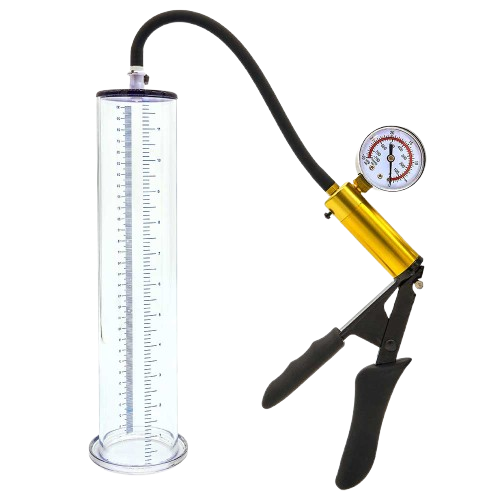
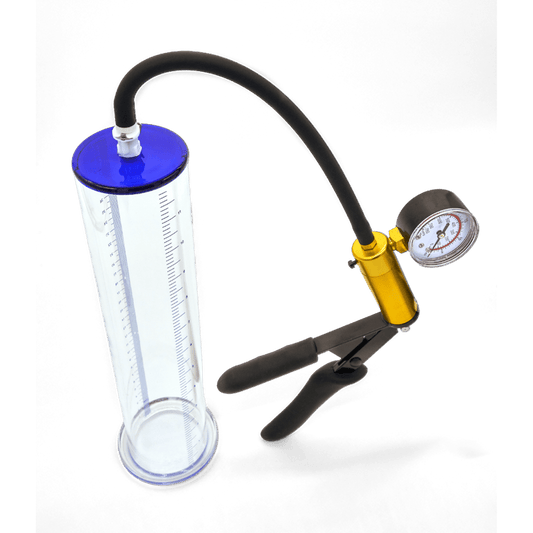
Endurance Pro Pump
Learn MoreRegular price $75.99 - $106.99Unit price per -
Electric Endurance Pro Pump
Learn MoreRegular price $95.99 - $119.99Unit price per -
ED Support Kit
Learn More$43.99 Regular price


What to Do Next
A vacuum erection device is a legitimate device with a well-established base of evidence behind it. They have a documented role across a wide range of conditions that cause ED. They work mechanically; they require no drugs or nerve function, they have almost no side effects, and they've been a go-to choice for specialists since the 1980s. If your doctor has recommended the use of one, that's based on scientific advice.
The most important point to remember is that the device is part of the treatment, not the treatment itself. Outcomes depend on structured, consistent use within a clinical program, especially when the goal is rehabilitation after surgery.
If your urologist has recommended a VED, the three questions worth asking are simple: which device, what protocol, and when to start. The device matters less than how you use it.
If you are a partner reading this to understand what has been recommended, your engagement is itself part of what helps. The clinical evidence on partner involvement in VED-based rehabilitation is consistent: shared understanding of the protocol improves compliance, and compliance is the single biggest predictor of outcome. You don’t need to be involved in every session. You just need to be alongside the process.
References
SCIRE Project. "Mechanical Methods: Vacuum Devices and Penile Rings." Spinal Cord Injury Research Evidence. Accessed April 16, 2026. https://scireproject.com/evidence/sexual-and-reproductive-health/sexual-and-reproductive-health-in-men/male-erectile-response-and-enhancement/mechanical-methods-vacuum-devices-and-penile-rings/
Yang XL, Yang Y, Fu FD, Wu CJ, Qin F, Yuan JH. "Optimal pressure in penile rehabilitation with a vacuum erection device: evidence based on a rat model." Asian Journal of Andrology, 2019. https://pmc.ncbi.nlm.nih.gov/articles/PMC6732895/
Schifano N, Capogrosso P. "The role of penile rehabilitation after radical prostatectomy: where are we today and what perspectives do we have?" European Society of Sexual Medicine. Accessed April 16, 2026. https://www.essm.org/the-role-of-penile-rehabilitation-after-radical-prostatectomy-where-are-we-today-and-what-perspectives-do-we-have/
Maiorino MI, et al. "Diabetes and Sexual Dysfunction: Current Perspectives." Diabetes, Metabolic Syndrome and Obesity, 2018. https://pmc.ncbi.nlm.nih.gov/articles/PMC6111643/
Kloner RA, Goggin P, Goldstein I, Hackett G, Kirby MG, Osterloh I, Parker JD, Sadovsky R. "A New Perspective on the Nitrate-Phosphodiesterase Type 5 Inhibitor Interaction." Journal of Cardiovascular Pharmacology and Therapeutics, 2018. https://pubmed.ncbi.nlm.nih.gov/29739235/
U.S. Food and Drug Administration. "External Penile Rigidity Devices - Class II Special Controls Guidance Document for Industry and FDA Staff." FDA (Center for Devices and Radiological Health), 2004. https://www.fda.gov/medical-devices/guidance-documents-medical-devices-and-radiation-emitting-products/external-penile-rigidity-devices-class-ii-special-controls-guidance-document-industry-and-fda-staff
Duthie CJ, Calich HJ, Rapsey CM, Wibowo E. "Maintenance of sexual activity following androgen deprivation in males." Critical Reviews in Oncology/Hematology, 2020. https://doi.org/10.1016/j.critrevonc.2020.103064
Vacuum erectile devices for erectile dysfunction: recommendations from the 5th International Consultation on Sexual Medicine. Sexual Medicine Reviews, 2025. https://academic.oup.com/smr/article/13/2/172/8016502
Dalkin BL, Christopher BA. "Preservation of penile length after radical prostatectomy: early intervention with a vacuum erection device." International Journal of Impotence Research, 2007. https://pubmed.ncbi.nlm.nih.gov/17657210/
Raina R, et al. "Early use of vacuum erection device following radical prostatectomy facilitates early sexual activity and potentially earlier return of erectile function." International Journal of Impotence Research, 2009. https://pmc.ncbi.nlm.nih.gov/articles/PMC4097184/
Gandaglia G, Suardi N, Cucchiara V, et al. "Penile rehabilitation after radical prostatectomy: does it work?" Translational Andrology and Urology, 2015. https://pmc.ncbi.nlm.nih.gov/articles/PMC4708129/
Yuan J, Hoang AN, Romero CA, Lin H, Dai Y, Wang R. "Vacuum therapy in erectile dysfunction — science and clinical evidence." International Journal of Impotence Research, 2010. https://pubmed.ncbi.nlm.nih.gov/20410903/
Wong J, Witherspoon L, Flannigan RK. "Under-recognized factors affecting penile implant satisfaction in patients." Canadian Urological Association Journal, 2022. https://pmc.ncbi.nlm.nih.gov/articles/PMC9343162/
